Motorcycle Gear for a Passenger
Your pillion arrives at the same speed you do, with no bars to hold, no idea what the bike is about to do, and — in most households — a borrowed helmet that does not fit them.
How this is funded: we earn a commission if you buy through our links, at no extra cost to you. It never changes which gear we recommend, and we’ll tell you plainly when to skip a pick. Full disclosure.
There is a quiet double standard in most households with a motorcycle in them. The rider owns a helmet chosen carefully, a jacket with armor in it, proper gloves and boots. The passenger owns a spare helmet of unknown vintage that came with the bike, and gets handed a hoodie.
It is worth being clear about why that is a problem, because “gear up” on its own persuades nobody. A passenger is exposed to exactly the same speeds and the same impacts as the rider, and they have fewer resources for dealing with them. They have no handlebars to brace against, no pegs positioned to lock themselves in, and — the part riders consistently underestimate — no advance information. You know you are about to brake hard. They find out when it happens.
1. The helmet, and the one rule about it
This is not negotiable and it is also where nearly every household gets it wrong. A passenger needs a helmet that fits their head, not a spare that fits yours.
Helmets are sized on head circumference and internal shape, and a helmet that is loose is a helmet that can rotate, ride up over the brow or come off entirely in a crash. None of the certification a helmet carries survives that. The federal standard governs impact attenuation, penetration and the retention system — and every one of those tests assumes the helmet is on the head at the moment of impact.
So: measure them, using our sizing guide, and check head shape as well as circumference, because two helmets in the same stated size can fit completely differently. And do not buy it as a surprise. A helmet is the one thing on this page that has to be tried.
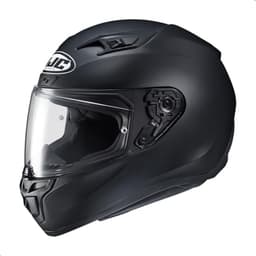
A sensible first passenger helmet
HJC i10
DOT + SNELL M2020The rare budget full-face that carries a SNELL M2020 rating on top of DOT — the voluntary top-tier test most sub-$150 helmets skip. The strongest safety-per-dollar case for a first helmet.
See the budget helmet rankingThe HJC i10 is our standing recommendation for exactly this job: a major-brand full-face carrying both DOT and SNELL M2020, at a price that makes buying a second helmet a reasonable decision rather than an argument.
2. A jacket with armor, sized to them
The second purchase, and the one where fit does real work. Armor only protects the part of the body it is actually sitting over, and a jacket two sizes too big puts the shoulder pad somewhere near the bicep. A passenger jacket needs to be close enough that the armor stays in place while they are holding on and turning to look at things.
A mesh jacket with CE armor is usually the right first buy for a passenger, for a practical reason: passengers get hotter than riders. There is no airflow through a rider-shaped hole in front of them at low speed, and they are not busy. A hot passenger is a passenger who stops coming out.
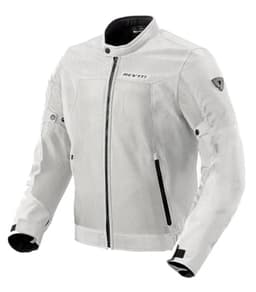
Airflow with armor included
REV'IT! Eclipse 2 Mesh
The mesh jacket to beat for hot-weather value: huge airflow from a premium brand, CE armor at the shoulders and elbows included, and a back-protector pocket ready to upgrade. Genuinely breezy without feeling flimsy.
See the mesh jacket rankingPrice as of September 22, 2026. #ad How we’re funded
If your passenger is a woman being kitted out from the men’s rack by default — which is extremely common — our women’s jacket rankingcovers the genuinely women’s-cut options, and the fit difference matters here precisely because of the armor-placement point above.
3. Gloves and footwear
Hands go out first in almost every fall, including from the back seat, and gloves are the cheapest protective item either of you will own. Full-finger, always. Our glove ranking covers the options and women’s glovesexist as a separate page because glove fit is the one place where a men’s small is genuinely not a substitute.
For feet, the bar is simply something that covers the ankle and will not come off. Passengers ride in sandals with alarming frequency, and a passenger footpeg sits right next to an exhaust. A riding shoe is ideal; a sturdy boot is fine; anything backless is not. Our boots guide makes the case in full and is honest about the compromises.
4. The two upgrades that change whether they enjoy it
Everything above is protection. These two are about whether your passenger ever wants to do this again, which is its own kind of safety issue — an unhappy, frightened pillion moves around on the bike.
Earplugs
Wind noise at highway speed is loud enough to damage hearing over time, and a passenger is often sitting in dirty, turbulent air behind the rider’s shoulders with no screen effect at all. Filtered motorcycle earplugs cut the roar while leaving speech and engine note audible — which matters here, because a passenger with foam plugs jammed in cannot hear you at all.
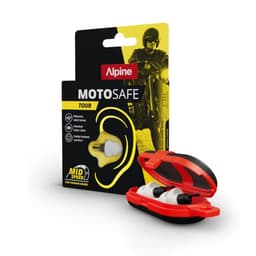
The cheapest upgrade on this page
Alpine MotoSafe Tour Earplugs
Filtered plugs rather than foam: Alpine publishes 17 dB SNR for the Tour filter, so the wind roar drops while traffic, your intercom and the engine stay audible. On a long day it does more for fatigue than any helmet upgrade at this price.
See more gifts under $50Price as of September 22, 2026. #ad How we’re funded
An intercom
If you take one recommendation from this guide, take this one. An intercom turns a passenger from cargo into a participant. They can be told a hard stop is coming. They can say they are cold, or need a break, or would like to look at the thing you just rode past. You can stop trying to interpret a tap on the shoulder.
And crucially for cost: a rider-and-pillion pair does not need a mesh network. Mesh exists to hold a group together as riders join and leave; two people on one bike are never going to separate. A simple two-rider Bluetooth unit does everything you need for a fraction of the money — the Sena 5S publishes two riders at up to 700 m, and Cardo’s Freecom 2X publishes two riders at up to 800 m. Our group riding page explains when you would actually need more than that.
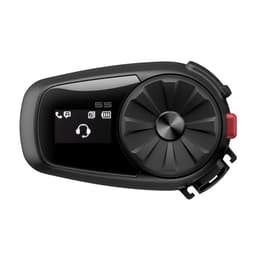
Built for exactly two people
Sena 5S
The cheapest Sena that still has the Jog Dial. Bluetooth 5.1, 40 mm speakers, 18 hours of talk time on a 1.5-hour charge — and the detail the listings bury: Sena publishes a TWO-rider intercom, not four. For a rider and pillion it is the sensible Sena. For a group it is the wrong one.
See the budget intercom rankingWhat you can reasonably skip
Keeping this honest cuts both ways. A passenger on short local rides does not need riding pants, a back protector and a full touring wardrobe before they are allowed on the bike — setting the bar there just means they ride in a hoodie instead. Get the helmet right, get a jacket with armor on them, get gloves on their hands, and get them into closed footwear. Then add armored jeans when the rides get longer, because they look like ordinary jeans and therefore actually get worn.
One last practical note for anyone buying this as a present: fit-critical gear is a bad surprise. Helmets, jackets and boots should be bought with the person there. Earplugs, an intercom and a visor cleaning kit need no measurements at all — our gifts for new riders page is built around exactly that constraint.
How to read our safety notes. We have not crash-tested any of this gear — nobody honestly can on a review budget. Every helmet and armor pick names the certification the maker publishes (DOT, ECE 22.06, SNELL, or a CE level), which we read from the listing on a dated visit. Certification is the floor, not a guarantee; fit and condition matter as much as the sticker. What the standards actually mean.
Frequently asked questions
What gear does a motorcycle passenger need?
The same categories as the rider, in this order of importance: a certified helmet that fits them specifically, a jacket with CE armor at the shoulders and elbows, full-finger gloves, and footwear that covers and supports the ankle. Beyond that, earplugs make a much larger difference to a passenger's experience than most riders expect, and an intercom is the single upgrade that most changes whether a nervous pillion wants to come out again. What a passenger does not need is a riding-specific pant if they are on a short trip in ordinary trousers — though it is the next gap to close.
Can a passenger wear my spare helmet?
Only if it genuinely fits them, and a spare helmet almost never does. Helmet sizing is by head circumference and internal shape, and a helmet that is loose on a smaller head can rotate, ride up, or come off entirely in a crash — a helmet that moves is not doing the job it was certified to do. The 'spare lid in the garage' is the single most common gap in passenger safety. If somebody rides with you regularly, they need their own helmet, fitted to their head, and you cannot order it as a surprise.
Why does a passenger need an intercom?
Because without one, a passenger is a person strapped to a machine with no information about what it is about to do. They cannot see the road ahead properly, they cannot anticipate braking, and they have no way to tell you they are uncomfortable, cold or frightened short of hitting you. An intercom converts all of that: a word of warning before a hard stop, a quick 'I need five minutes', and general conversation that makes a long ride companionable rather than isolating. Riders who add an intercom for a regular pillion almost never go back, and a two-rider Bluetooth unit costs a fraction of a mesh system.
Should a passenger wear earplugs?
Yes, and for the same reason the rider should. Wind noise at highway speed is loud enough to cause hearing damage over time, and a passenger has no windscreen effect in front of them and often sits in a turbulent pocket of air behind the rider's shoulders. Filtered motorcycle earplugs are the useful kind — they cut wind roar while leaving speech and engine note audible, which means a passenger can still talk to you through an intercom. They are also the cheapest piece of protective equipment either of you will buy.
Is a passenger more or less likely to be injured than the rider?
We are not going to invent a ratio, because the honest position is that passenger-specific injury data is far thinner than rider data. What is not in dispute is the mechanism: a passenger is subject to the same speeds and the same impacts as the rider, with none of the bars, pegs and tank to brace against and no advance knowledge of what the bike will do. NHTSA's motorcyclist statistics cover riders and passengers together, and helmets are approximately 37% effective at preventing fatalities in NHTSA's analysis. That effectiveness does not care which seat you are in.
Can a passenger wear jeans and sneakers?
They can, and it is an improvement on shorts and sandals — which is genuinely what a lot of passengers turn up in, because they have not thought of themselves as someone who needs gear. Ordinary jeans offer very little abrasion resistance, and sneakers offer no ankle structure. If the budget for a passenger is limited, spend it in this order: helmet, jacket with armor, gloves, then footwear. Armored jeans are the easy next step because they look like normal jeans and a passenger will actually wear them.
What size gear should I buy for a passenger?
Do not guess, and do not buy fit-critical gear as a surprise. A helmet must be measured and ideally tried on; a jacket has to fit closely enough that the armor stays over the shoulder and elbow rather than hanging behind them; boots have to hold the heel down. The gifts that work without knowing a size are the non-fitted ones — earplugs, an intercom, a visor cleaning kit. Everything else should be bought with the passenger present, or bought somewhere with a returns policy you have read.
Sources
- NHTSA — Traffic Safety Facts 2023: Motorcycles (DOT HS 813 732) — 2023 motorcyclist fatality, injury and helmet-use statistics (accessed July 21, 2026)
- NHTSA — How to Choose the Right Motorcycle Helmet — NHTSA consumer guidance on DOT certification and spotting novelty helmets (accessed July 21, 2026)
- NHTSA — Motorcycle Helmet Effectiveness Revisited (DOT HS 809 715) — Helmets ~37% effective at preventing rider fatalities (accessed July 21, 2026)
- 49 CFR 571.218 — FMVSS No. 218, Motorcycle helmets — The US federal helmet standard: peak-acceleration, penetration and retention requirements; applies to all on-road motorcycle helmets (accessed July 21, 2026)
- MotoCAP — Independent Motorcycle Clothing & Helmet Assessment — Independent Australian lab rating protective clothing and helmets for protection and comfort (accessed July 21, 2026)
Keep reading
Beginner motorcycle gear guide
The head-to-toe buying order by budget. Almost all of it applies to a passenger too, in the same sequence.
Read the beginner guideBest budget motorcycle intercoms
A rider-and-pillion pair does not need a mesh network. These are the two-rider units that do the job for much less.
See the budget intercomsSafest budget motorcycle helmets
Every helmet here is DOT-certified from a real maker and under about $150 — the sensible place to buy a passenger's first lid.
See the budget helmetsHow to size a motorcycle helmet
Measure before you buy anything. This is the guide to do it with, and it applies to your passenger's head, not yours.
Read the sizing guideBest women's motorcycle jackets
Most regular pillions are being kitted out from the men's rack by default. These are cut properly instead.
See the women's jacketsGifts for new riders
The size-free gift problem, solved — what you can buy for somebody else without knowing their measurements.
See the gift guide