Motorcycle Helmets
The most important thing you'll buy — compared on certification (DOT, ECE 22.06, SNELL), weight and fit, not marketing.
A helmet is the one piece of gear that has a federal law behind it — and, in most of the country, a state law as well — and the one most worth getting right. Everything else on your body reduces injury; a helmet is the difference the data is clearest about. NHTSA puts helmets at roughly 37% effective at preventing rider fatalities and about 67% effective against brain injury— which is why we start every helmet recommendation with the certification, not the paint job.
Here is the short version of how certification works, because it decides most of what you’re paying for. DOT (FMVSS 218)is the US federal minimum — every helmet sold for road use here must meet it, and the maker self-certifies with NHTSA pulling random samples to re-test. ECE 22.06 is the current European standard; it added rotational and multi-point impact testing over the older 22.05, and a helmet carrying it has cleared a broader battery of tests. SNELL M2020 is a voluntary standard from an independent non-profit that tests to its own, tougher protocol. A lid with DOT plus ECE 22.06 or SNELL has simply passed more, and harder, tests. Our DOT vs ECE vs SNELL guide breaks down exactly what each one measures.
That said, more stickers is not the same as safer for you. The best helmet is the one that fits your head shape, sits snug without pressure points, and is light and quiet enough that you wear it on every ride. A perfectly certified helmet that you leave unbuckled or that gives you a headache after 40 minutes is doing less than a comfortable one you actually wear. Weight matters on a long day — a composite shell around 1,300–1,650 grams fatigues your neck far less than a heavy budget lid — and wind noise is the reason a lot of riders stop wearing a helmet they technically own. Spec sheets can’t tell you how a particular lid behaves at 70 mph, so it’s worth reading hands-on helmet reviews from riders who have actually worn the model you’re considering. Start with our helmet sizing guide before you buy anything.
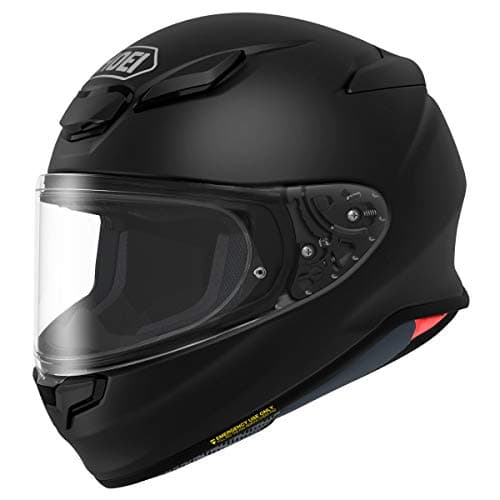
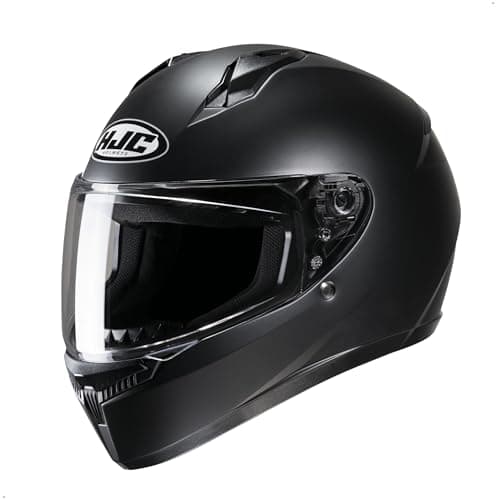
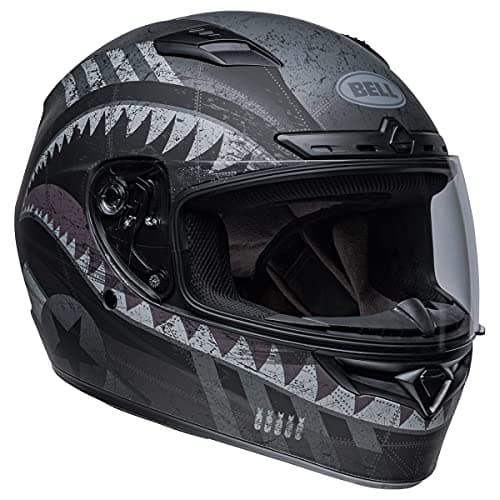
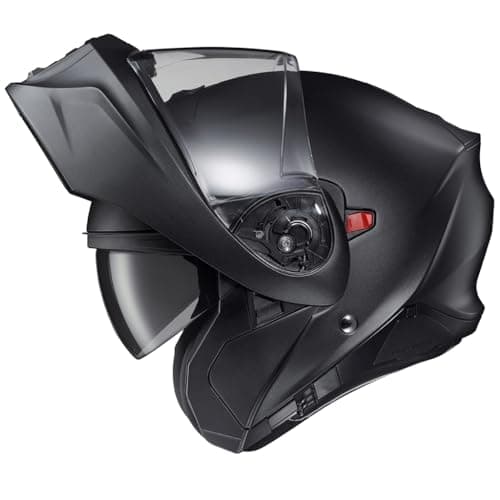
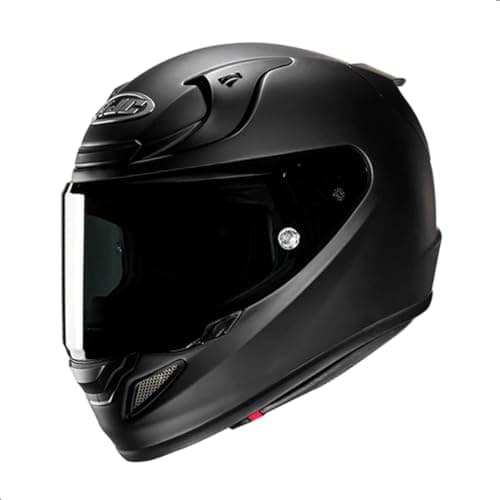
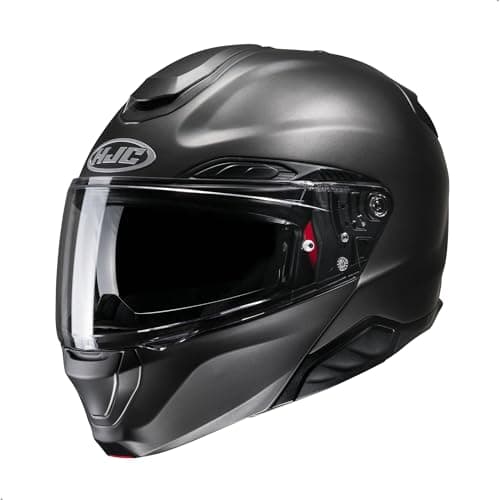
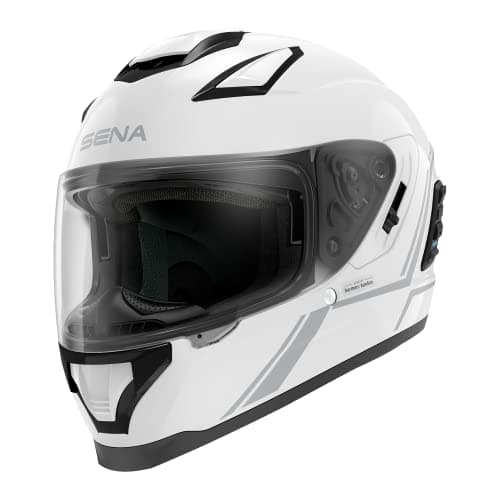
The pages below split helmets the way riders actually shop. Best motorcycle helmets is our overall pick list across every style and budget. Full-faceis the most protective style — full chin coverage — and where we’d point most new riders. Modular (flip-front) helmets trade a little weight for the convenience of lifting the chin bar at stops. Bluetooth helmets either build the intercom in or are ready for a bolt-on unit. And beginner helmetsare the certified, well-equipped lids that don’t cost a fortune. Every tile below carries the certification the maker publishes and a live price, so you can see what you’re getting before you click through.
Four more ways in, depending on what you already know you want. If the question is simply which helmet protects you most, our safest motorcycle helmets ranking sorts the whole registry by what each maker publishes, because there is no US safety score to sort it by. If you are weighing a 3/4 helmet against a full-face, we argue that trade honestly in open-face versus full-face. If the helmet is for a ride you do twice a day, the criteria change — see helmets for commuting, and if the problem is July rather than the commute, helmets for hot weather ranks the vented lids and is blunt about the fact that nobody publishes an airflow figure to rank them by. The cold half of that same year is helmets for winter, which ranks on the anti-fog shield system rather than the vents, and if the helmet is for someone on the back seat, helmets for a passenger covers the three things that change. And if you are shopping by brand, Bell, ScorpionEXO and HJC each have their whole range broken down by what it actually carries, while custom and graphic helmetscovers what “custom” buys you and what a rattle can does to a certified shell. For a step-by-step version of the whole decision, start with how to choose a motorcycle helmet.
One rule we hold to everywhere: replace any helmet after a significant impact, even if it looks fine — the protective liner crushes once and doesn’t recover — and roughly every five years otherwise as the materials age. A helmet is the cheapest insurance you’ll ever buy against the most expensive kind of loss.
Everything in Helmets
Best Motorcycle Helmets
Our top full-face, modular and value picks, every one cross-checked against DOT, ECE 22.06 and SNELL.
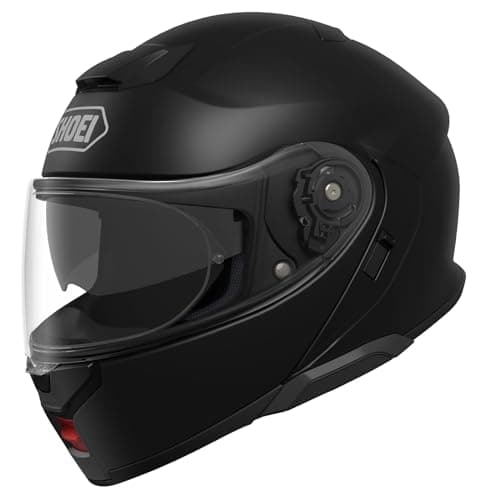
Best Modular Helmets
Flip-front helmets compared on certification, weight and wind noise — from touring flagships to budget flip-ups.
Our top pick
Shoei Neotec 3
$935.00 · View on AmazonPrice as of October 19, 2026. #ad How we’re funded
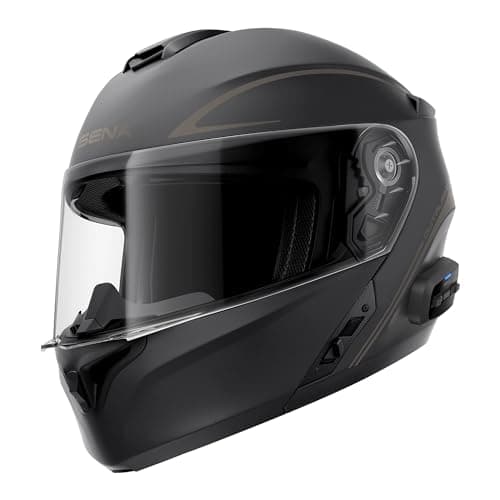
Best Bluetooth Motorcycle Helmets
Helmets with the intercom built in — no bolt-on module — plus the certified helmets worth pairing with a separate unit.
Our top pick
Sena Outrush R
$359.00 · View on AmazonPrice as of October 19, 2026. #ad How we’re funded
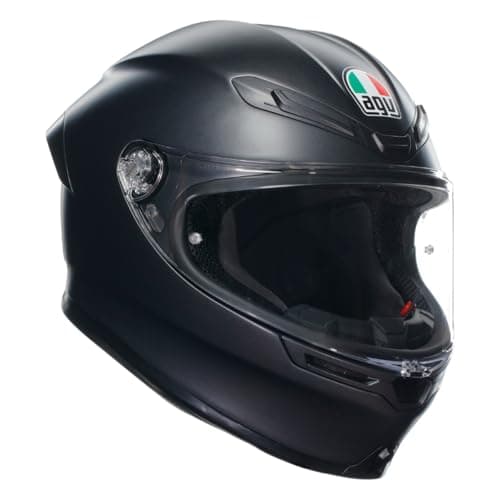
Best Full-Face Helmets
The safest helmet style, compared on shell material, certification and weight across every budget.
Our top pick
AGV K6 S
Best Beginner Motorcycle Helmets
Certified, well-equipped helmets that don't cost a fortune — the right first lid for a new rider.
Best Touring Helmets
Quiet, well-sealed helmets built for 400-mile days — sun visors, comms integration and the certification each one carries.
Our top pick
Shoei GT-Air 3
$779.99 · View on AmazonPrice as of October 19, 2026. #ad How we’re funded
Best Dual-Sport & Adventure Helmets
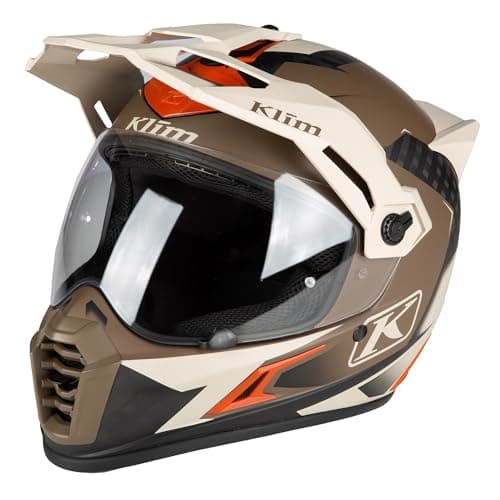
Peak-and-goggle helmets for riders who split the day between highway miles and dirt — compared on certification, weight and airflow.
Best Open-Face Motorcycle Helmets
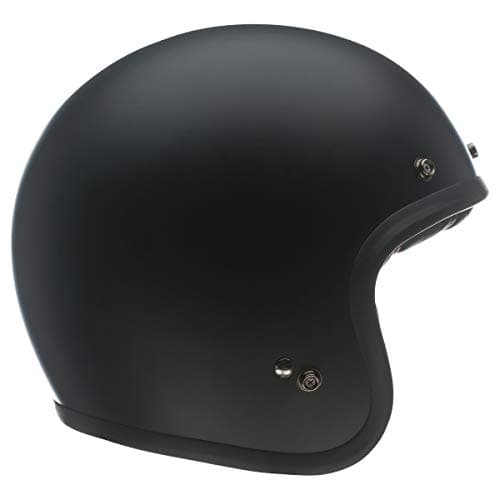
Certified 3/4 helmets, ranked honestly — including exactly what you give up when there's no chin bar.
Our top pick
Bell Custom 500
$179.95 · View on AmazonPrice as of October 19, 2026. #ad How we’re funded
Safest Budget Motorcycle Helmets
Every helmet here is DOT-certified from a real helmet maker, and every one is under about $150.
Our top pick
HJC C10
Quietest Motorcycle Helmets
What actually makes a helmet quiet — shell sealing, neck roll, aero shape — and the helmets built around it.
Our top pick
Shoei Neotec 3
$935.00 · View on AmazonPrice as of October 19, 2026. #ad How we’re funded
Best Motorcycle Helmets for Women
The honest version: almost no maker builds a women-specific shell, so this ranks on small shell sizes, fit and certification.
Our top pick
AGV K6 S
Best Bell Helmets
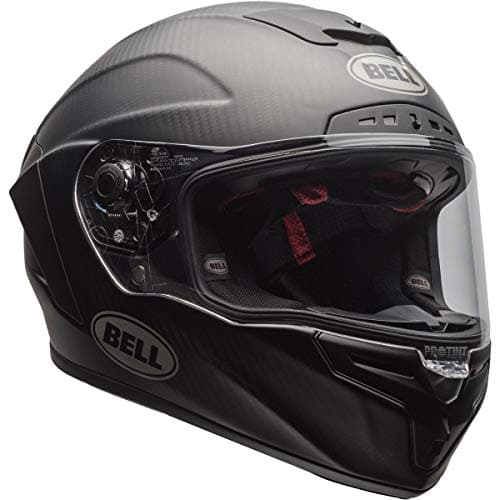
Bell's range from the $150 Qualifier to the carbon Race Star DLX Flex, with the certification each model actually carries.
Our top pick
Bell Qualifier DLX MIPS
$199.95 · View on AmazonPrice as of October 19, 2026. #ad How we’re funded
Best Scorpion Helmets
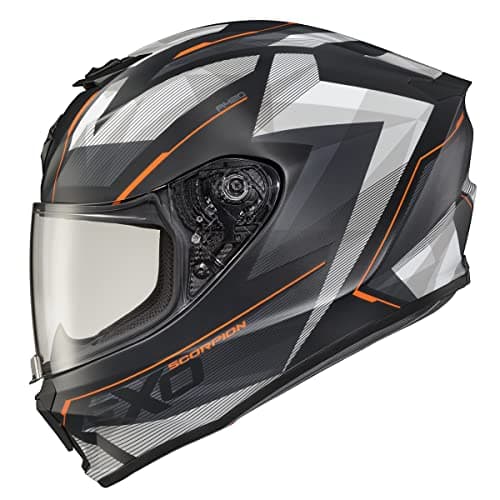
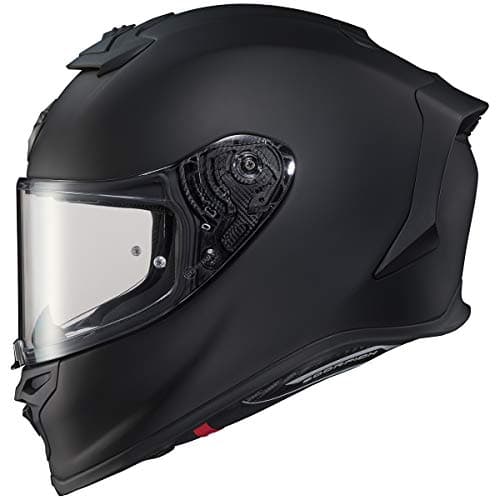
ScorpionEXO's lineup compared — the brand that puts DOT and ECE on almost everything it sells, at mid-market prices.
Our top pick
ScorpionEXO GT930 Transformer
$279.95 · View on AmazonPrice as of October 19, 2026. #ad How we’re funded
Modular vs Full-Face Helmets
The trade you're actually making: a hinge and a latch, in exchange for lifting the chin bar at every stop.
Shoei RF-1400 vs AGV K6 S
SNELL versus ECE 22.06, and 1,640 g versus 1,255 g — the two premium full-faces most riders end up choosing between.
Best Motorcycle Helmets for Glasses
Helmets you can put your glasses on inside — ranked on the shell, cheek-pad and chin-bar features that actually decide it.
Bell Qualifier DLX MIPS vs HJC i10
MIPS against SNELL M2020 at roughly the same money — a design feature versus an independent test, and why the answer isn't obvious.
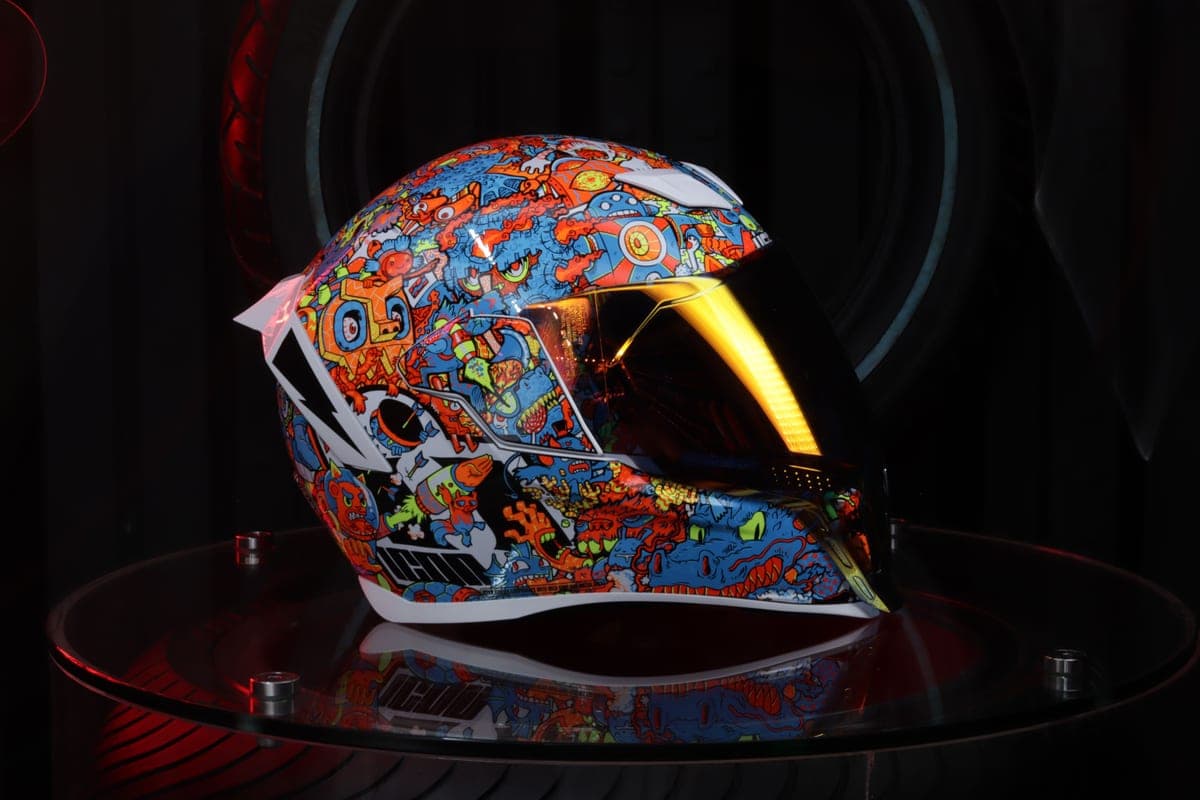
Custom Motorcycle Helmets
What “custom” actually buys you, what a rattle can does to a certified shell, and the DOT-approved helmets that already come with the graphics.
Our top pick
Bell Custom 500
$179.95 · View on AmazonPrice as of October 19, 2026. #ad How we’re funded
Best Cruiser Motorcycle Helmets
Upright riding puts the wind on your chest and the noise in your ears — these are the certified helmets built around that, not around a tucked sport position.
Our top pick
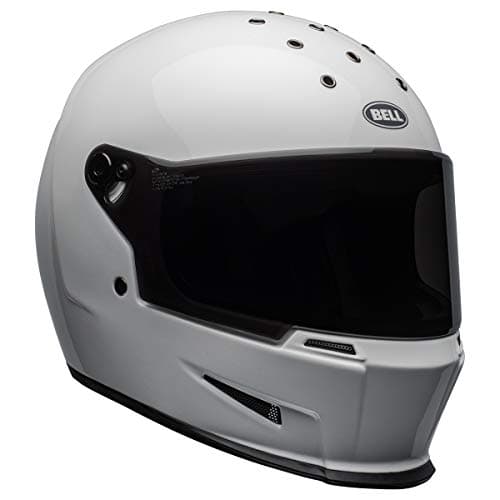
Bell Eliminator
$399.95 · View on AmazonPrice as of October 19, 2026. #ad How we’re funded
Best Motorcycle Helmets for Big Heads
Which makers actually build shells above XL — verified size by size — and why a 2XL head is often a shape problem rather than a circumference one.
Our top pick
Bell Qualifier
$149.95 · View on AmazonPrice as of October 19, 2026. #ad How we’re funded
Lightest Motorcycle Helmets
Ranked on the weight the maker publishes, in grams — and honest about how few makers publish one at all.
Our top pick
AGV K6 S
Best HJC Helmets
The brand that puts a SNELL-rated helmet on the shelf for the price of a mid-range lid — the full range compared on what each model is actually certified to.
Best Simpson Helmets
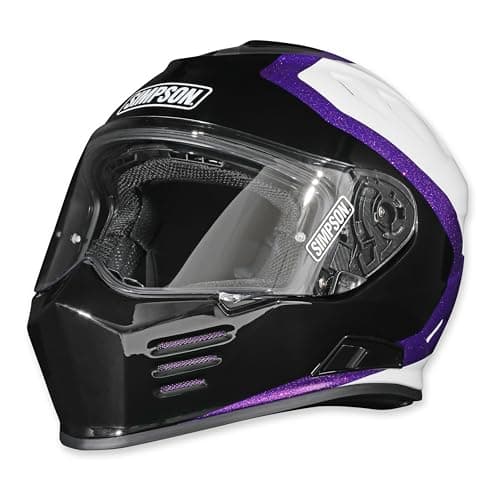
The Bandit shape, model by model — and the certification differences across the range that Simpson's styling completely hides.
Our top pick
Simpson Ghost Bandit
$279.95 · View on AmazonPrice as of October 19, 2026. #ad How we’re funded
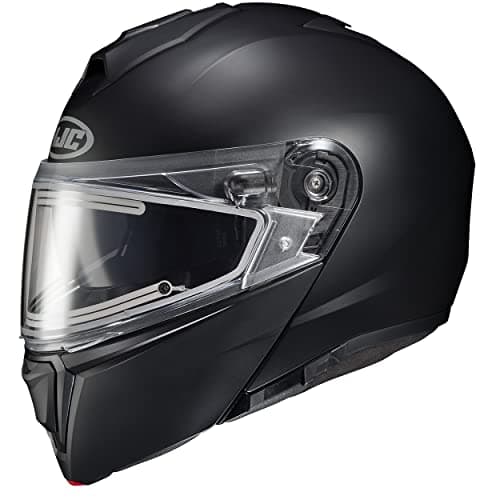
Shoei Neotec 3 vs HJC i90
The flagship modular against the one that costs a quarter as much — where the money actually goes, and where it does not.
Best SNELL-Certified Helmets
Every pick checked against Snell's own certified-product list, down to the sizes the certification actually covers — including the helmets that lose it above XXL.
ECE 22.06 Motorcycle Helmets
Only four helmets in our registry publish ECE 22.06 specifically. A dozen more publish "ECE" with no version at all — and this page separates the two.
Our top pick
AGV K6 S
Best Motorcycle Helmets With a Sun Visor
The drop-down internal visor, ranked across full-face, modular and open-face — plus the honest cost of the mechanism and why no SNELL race lid here has one.
Our top pick
Shoei GT-Air 3
$779.99 · View on AmazonPrice as of October 19, 2026. #ad How we’re funded
Safest Motorcycle Helmets
There is no US helmet safety rating, so this ranks on what makers actually publish — two certifications beats one, and only one test family measures rotation.
Our top pick
Bell Race Star DLX Flex
$949.95 · View on AmazonPrice as of October 19, 2026. #ad How we’re funded
Open-Face vs Full-Face Helmets
Both can carry the same DOT certification. The difference is the chin bar — what it is worth, and the riders for whom a 3/4 helmet is still right.
Our top pick
AGV K6 S
Best Motorcycle Helmets for Commuting
Into low sun in both directions, in traffic, with glasses — then left in a pannier. Ranked on the features a daily ride actually punishes.
Shoei GT-Air 3 vs Neotec 3
One chin bar apart. The flip-front costs more and weighs about 136 g more — and is the only one of the two whose US listing publishes ECE 22.06.
Best Motorcycle Helmets for Hot Weather
Nobody publishes an airflow figure for a helmet, so there is nothing to rank on but the vent hardware, the shell, the liner and the weight — and the noise it costs you.
Our top pick
ScorpionEXO R1 Air
$449.95 · View on AmazonPrice as of October 19, 2026. #ad How we’re funded
Best Motorcycle Helmets for Winter
Cold does not break a helmet — fog does. Ranked on the shield system, the sun visor, the wind collar and the certification, because nobody publishes a cold-weather figure.
Our top pick
HJC RPHA 91
Best Motorcycle Helmets for a Passenger
A pillion is in the same crash as the rider. Certified helmets ranked on how easily they go on and off, and whether you can talk to each other.
Our top pick
Sena Outrush R
$359.00 · View on AmazonPrice as of October 19, 2026. #ad How we’re funded
Sena Outrush R Review
A full review of the modular helmet with the intercom built in — every figure from Sena's own spec sheet, including the three it does not publish.
Our top pick
Sena Outrush R
$359.00 · View on AmazonPrice as of October 19, 2026. #ad How we’re funded
Sena Stryker vs Sena Outrush R
Sena's two comms-built-in helmets on published specs: Mesh and Harman Kardon audio against Bluetooth 5.1 and a sun visor. One of them cannot join a mesh group at all.