Apex & Armor

Best Motorcycle Helmets With a Sun Visor

A drop-down internal visor is the most useful twenty dollars' worth of engineering in a helmet — and there is a reason you will not find one on a single SNELL race lid we rank.

By Stephen V.Last updated How we research

A drop-down sun visor is a second, tinted shield that lives inside the shell above your eyes and slides down on a slider or a lever. It exists to solve one specific, genuinely annoying problem: the sun moves and your helmet does not, and swapping a tinted outer shield at the roadside means riding the next mile with nothing over your face. Drop it down at 2pm, flick it up in a tunnel, and you have solved the whole thing with your left thumb.

It is also the feature riders most often buy without being told what it costs. A sun visor means an extra mechanism, extra mass, and a slot cut through the comfort liner and the EPS above your brow. That is a real engineering trade, and it is precisely why the fastest, most heavily certified helmets on this site do not have one: the Shoei RF-1400, the AGV K6 S, the Bell Race Star DLX Flex and the Arai XD-5 all go without. A racing helmet is built around an uninterrupted shell, and a tinted shield in the pit box does the same job on a track where the sun does not move behind you at 70 mph.

So this ranking is not “the best helmets, which also have a sun visor.” It is the six helmets in our registry that record a drop-down visor and that returned a live, buyable offer on 18 September 2026, ranked on how well the rest of the helmet holds up around it — certification first, then fit, sealing and price. We own none of them and we run no lab; our methodology page is explicit about what that means.

How this is funded: we earn a commission if you buy through our links, at no extra cost to you. It never changes which gear we recommend, and we’ll tell you plainly when to skip a pick. Full disclosure.

Quick picks

Ranked on certification, spec and buyer fit. Select a row to jump to the full write-up. We haven’t crash-tested this gear — here is exactly what we do instead.

#GearBest forPrice
1
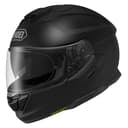
Shoei GT-Air 3

Shoei GT-Air 3

DOT

Shoei's dedicated touring full-face: AIM shell, an internal sun visor, a deep neck roll and comms integration designed in rather than bolted on. If you ride 400-mile days with a shield down, this is the reference.

Best overall
$765.00 · View on Amazon

Price as of September 22, 2026. #ad How we’re funded

2
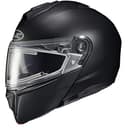
HJC i90

HJC i90

DOT + ECE 22.05

The value modular that gets the important things right: DOT and ECE 22.05 certification, a drop-down sun visor, and comms-ready ear pockets, for a fraction of a premium flip-front's price.

Best modular value
$160.00 · View on Amazon

Price as of September 22, 2026. #ad How we’re funded

3
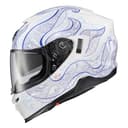
ScorpionEXO T520

ScorpionEXO T520

DOT + ECE

A DOT and ECE approved touring full-face with a drop-down sun visor and comms-ready pockets, at roughly a third of what the flagship touring lids cost. The value pick for riders who tour on a budget.

Best touring value
$244.95 · View on Amazon

Price as of September 22, 2026. #ad How we’re funded

4
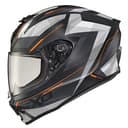
ScorpionEXO R420

ScorpionEXO R420

DOT + SNELL

A DOT-and-SNELL full-face at a beginner price, with a drop-down sun visor most sub-$200 helmets don't include. A well-equipped first sport-street helmet.

Best with a SNELL rating
$169.95 · View on Amazon

Price as of September 22, 2026. #ad How we’re funded

5
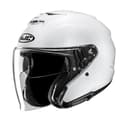
HJC i31

HJC i31

DOT

The modern take on an open-face: DOT-approved, with a drop-down internal sun visor and a proper face shield rather than a snap-on peak. The sensible commuter choice if you want an open lid that still keeps rain and bugs off.

Best open-face
$159.99 · View on Amazon

$169.996% off

Price as of September 22, 2026. #ad How we’re funded

6
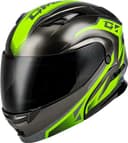
GMAX MD-01

GMAX MD-01

DOT + ECE

The cheapest DOT-and-ECE modular worth buying. A drop-down sun visor and a flip-front for well under a hundred dollars makes it a sensible first modular or a knock-around commuter lid.

Cheapest way in
$69.97 · View on Amazon

Price as of September 22, 2026. #ad How we’re funded

The picks in full

#1Best overallDOT

Shoei GT-Air 3

Shoei's dedicated touring full-face: AIM shell, an internal sun visor, a deep neck roll and comms integration designed in rather than bolted on. If you ride 400-mile days with a shield down, this is the reference.

Strengths

  • Shoei AIM multi-fiber shell — DOT certified for the US market
  • Drop-down internal sun visor and a deep neck roll for sealing
  • Designed around Shoei's SRL comms so nothing hangs off the shell

Trade-offs

  • Premium price, and the US listing carries DOT only — no SNELL
  • About 1,714 g; the sun-visor mechanism adds weight over a bare racing lid
Safety standardDOT
ConstructionAIM multi-fiber composite shell
Claimed weight1,714 g
Key featureDOT, internal sun visor
Fit / sizingIntermediate oval; touring-plush interior
Best forHigh-mileage touring riders who want a quiet, well-sealed full-face

Specs and certification read from the manufacturer and retailer listing, on August 11, 2026. “Check current listing” means the maker doesn’t publish that figure — we won’t guess it.

#2Best modular valueDOT + ECE 22.05

HJC i90

The value modular that gets the important things right: DOT and ECE 22.05 certification, a drop-down sun visor, and comms-ready ear pockets, for a fraction of a premium flip-front's price.

Strengths

  • DOT + ECE 22.05 certified polycarbonate modular
  • Integrated drop-down sun visor and Pinlock-ready shield
  • Ear pockets sized for a Cardo/Sena install out of the box

Trade-offs

  • Polycarbonate shell is heavier than a composite modular
  • HJC doesn't publish the exact weight
Safety standardDOT + ECE 22.05
ConstructionAdvanced polycarbonate shell
Claimed weightCheck current listing
Key featureDOT + ECE 22.05
Fit / sizingIntermediate oval; roomy cheek pads
Best forCommuters and tourers who want a certified modular on a budget

Specs and certification read from the manufacturer and retailer listing, on July 21, 2026. “Check current listing” means the maker doesn’t publish that figure — we won’t guess it.

#3Best touring valueDOT + ECE

ScorpionEXO T520

A DOT and ECE approved touring full-face with a drop-down sun visor and comms-ready pockets, at roughly a third of what the flagship touring lids cost. The value pick for riders who tour on a budget.

Strengths

  • DOT + ECE approved — both the US legal floor and the European standard
  • Drop-down internal sun visor at a mid-tier price
  • Bluetooth-ready speaker pockets and a removable washable liner

Trade-offs

  • Scorpion doesn't publish a weight for the T520
  • Not as well sealed against wind noise as the premium touring helmets
Safety standardDOT + ECE
ConstructionPolycarbonate shell
Claimed weightCheck current listing
Key featureDOT + ECE, internal sun visor
Fit / sizingIntermediate oval; touring fit
Best forTouring riders who want dual certification and a sun visor for mid money

Specs and certification read from the manufacturer and retailer listing, on August 11, 2026. “Check current listing” means the maker doesn’t publish that figure — we won’t guess it.

#4Best with a SNELL ratingDOT + SNELL

ScorpionEXO R420

A DOT-and-SNELL full-face at a beginner price, with a drop-down sun visor most sub-$200 helmets don't include. A well-equipped first sport-street helmet.

Strengths

  • DOT + SNELL certified polycarbonate shell
  • Integrated drop-down sun visor and Pinlock-ready shield
  • Removable, washable KwikWick liner

Trade-offs

  • Scorpion doesn't publish the exact weight
  • Superseded generation: Scorpion lists the EXO-R430 as the model that replaces this one, with DOT plus the newer SNELL M2025 — confirm current stock and sizing before buying the R420
Safety standardDOT + SNELL
ConstructionAdvanced polycarbonate shell
Claimed weightCheck current listing
Key featureDOT + SNELL
Fit / sizingIntermediate oval; roomy
Best forBeginners who want a sun-visor helmet with a SNELL rating

Specs and certification read from the manufacturer and retailer listing, on July 21, 2026. “Check current listing” means the maker doesn’t publish that figure — we won’t guess it.

#5Best open-faceDOT

HJC i31

The modern take on an open-face: DOT-approved, with a drop-down internal sun visor and a proper face shield rather than a snap-on peak. The sensible commuter choice if you want an open lid that still keeps rain and bugs off.

Strengths

  • DOT-approved with a full face shield, not just a snap visor
  • Drop-down internal sun visor — no swapping tinted shields at dusk
  • Speaker pockets sized for a bolt-on intercom

Trade-offs

  • HJC doesn't publish a shell weight for the i31
  • Still an open-face: no chin protection whatsoever
Safety standardDOT
ConstructionAdvanced polycarbonate composite shell
Claimed weightCheck current listing
Key featureDOT, internal sun visor
Fit / sizingIntermediate oval; runs true to size
Best forCommuters who want open-face airflow with a real shield and sun visor

Specs and certification read from the manufacturer and retailer listing, on August 11, 2026. “Check current listing” means the maker doesn’t publish that figure — we won’t guess it.

#6Cheapest way inDOT + ECE

GMAX MD-01

The cheapest DOT-and-ECE modular worth buying. A drop-down sun visor and a flip-front for well under a hundred dollars makes it a sensible first modular or a knock-around commuter lid.

Strengths

  • DOT + ECE approved at a rock-bottom price
  • Drop-down internal sun visor
  • Flip-front convenience for glasses wearers and quick stops

Trade-offs

  • Poly-alloy shell is heavy and the finish is basic
  • GMAX doesn't publish the ECE sub-version or the weight
Safety standardDOT + ECE
ConstructionPoly-alloy shell
Claimed weightCheck current listing
Key featureDOT + ECE
Fit / sizingIntermediate oval; budget padding
Best forThe tightest budget that still wants a certified flip-front

Specs and certification read from the manufacturer and retailer listing, on July 21, 2026. “Check current listing” means the maker doesn’t publish that figure — we won’t guess it.

What the mechanism actually costs you

Three things, and all three are small — but you should know about them before you decide the feature is free.

  • Weight.The visor, its track and its slider add mass, and they add it high on the shell where you feel it most. The Shoei GT-Air 3 is a published 1,714 g against the RF-1400’s 1,640 g — two Shoei full-faces from the same maker, and the one with the sun visor is the heavier one. Our lightest-helmet ranking, which sorts strictly on published grams, contains no sun-visor helmet at all in its top three.
  • A slot through the liner. The visor has to retract somewhere, and that somewhere is a channel above your forehead. On a well-made helmet this is designed in from the start. On a cheap one it can be the first place wind noise gets in, and it is a reason to take the quiet-helmet question seriously if you do big highway miles.
  • It is not as dark as a real tinted shield. An internal visor is a light-to-medium tint by design, because you have to be able to see through it if the sun goes behind a cloud and you cannot reach up at speed. In genuinely brutal glare, a properly dark outer shield still wins. Our visor guide covers the tint levels and the legal side.

The certification angle nobody mentions

Here is a detail worth knowing if you are shopping this feature. ECE 22.06, the current European homologation, tests the helmet with its accessories fitted — including the drop-down sun visor — rather than testing a bare shell. 22.05, the version it replaced, did not go that far. So a sun-visor helmet carrying 22.06 has had the mechanism examined as part of the helmet, which is more than a 22.05 helmet or a DOT-only helmet can say about it.

None of the six ranked here publishes 22.06 specifically: the HJC i90 publishes 22.05, the ScorpionEXO T520 and the GMAX MD-01 publish an unversioned “ECE”, and the Shoei GT-Air 3, HJC i31 and ScorpionEXO R420 publish DOT on their US listings, with the R420 adding SNELL. That is a real gap in this category and we are not going to paper over it — our ECE 22.06 page sets out which helmets in the registry do publish it.

The other sun-visor helmets we rank

The feature is much more common than the six picks above suggest. These all record a drop-down visor too, and each is ranked first on a different page for a different reason — if one of these descriptions is closer to your riding, go there instead.

HelmetTypeWhy it is ranked elsewhere
HJC RPHA 91ModularA composite touring flip-front — it leads on touring rather than on this feature
ScorpionEXO GT930 TransformerConvertibleRuns as full-face, modular or open-face; the visor is the least interesting thing about it
ScorpionEXO AT960Modular adventurePeak plus flip-front for dual-sport riding
Sena Outrush RModular, comms built inLeads our Bluetooth ranking on the intercom, not the visor
Simpson Ghost BanditFull-faceThe Simpson you can commute in — see the Simpson range
TORC T27 / ILM 902Modular, comms built inBudget integrated-Bluetooth lids

How to choose between the six

The visor is a constant across all of them, so choose on everything else.

  • If you ride long days on road:the Shoei GT-Air 3. It is the most expensive helmet here by a distance, and what the money buys is the sealing and the neck roll rather than the visor — this is the helmet built around 400-mile days.
  • If you want a flip-front and a budget: the HJC i90, which is the only pick here that publishes an ECE version at all, and the one with the deepest stock at the retailer when we checked.
  • If you tour but not at Shoei money: the ScorpionEXO T520 does dual certification, a sun visor and a touring interior for a fraction of the GT-Air.
  • If certification is your first filter: the ScorpionEXO R420, which is the only sun-visor helmet in the registry that also carries SNELL, and it is on our SNELL-certified list for that reason.
  • If you want air on your face:the HJC i31 is an open-face with a real shield and an internal visor rather than a snap-on peak — a genuinely sensible commuter lid, and it is also on our glasses-friendly list.
  • If the budget is the constraint: the GMAX MD-01 is a certified flip-front with a drop-down visor for less than most people spend on gloves. It is a budget helmet and the budget page is honest about what that means.

And the rule that outranks all of it: buy the helmet that fits your head shape, then use features to break ties. A sun visor cannot rescue a helmet that presses on your forehead for six hours. Start with sizing and head shape if you have not already.
How to read our safety notes. We have not crash-tested any of this gear — nobody honestly can on a review budget. Every helmet and armor pick names the certification the maker publishes (DOT, ECE 22.06, SNELL, or a CE level), which we read from the listing on a dated visit. Certification is the floor, not a guarantee; fit and condition matter as much as the sticker. What the standards actually mean.

Frequently asked questions

Is a drop-down sun visor worth it on a motorcycle helmet?

For most road riders, yes — it is the single feature riders who have had one are least willing to give up. It solves the real problem of light changing faster than you can swap a shield, it works with prescription glasses underneath, and it costs you nothing at night because it retracts out of the way. The trade is a little extra weight high on the shell, a channel cut through the liner above your brow, and a tint that is lighter than a dedicated dark shield. If you ride mostly at dawn, dusk or in the dark, it earns its keep less.

Why do race helmets not have a sun visor?

Two reasons. The mechanism adds weight where a racer least wants it and requires a slot through the EPS liner above the brow, and a race helmet is built around an uninterrupted shell. And the problem it solves barely exists on a circuit: a rider can fit a dark shield in the pit box for a session rather than needing to change tint at 70 mph on a road that keeps turning into the sun. That is why the Shoei RF-1400, AGV K6 S, Bell Race Star DLX Flex and Arai XD-5 in our registry all go without.

Are internal sun visors as dark as a tinted shield?

No, and deliberately so. An internal visor is usually a light-to-medium tint, because if the sun disappears behind a cloud you may not be able to flick it up immediately, and being stuck behind a very dark visor in low light is worse than mild glare. A dedicated dark outer shield can go considerably darker because you fit it knowing the conditions. In extreme glare the outer shield still wins; for the other 95% of riding the internal one wins on convenience. Our visors guide covers tint levels and the legal side of very dark shields.

Can you add a sun visor to a helmet that does not have one?

Not properly. The visor has to retract into a channel inside the shell, and that channel is moulded into the EPS and the comfort liner at manufacture — there is nowhere to put one in a helmet not designed for it. Stick-on external strips and clip-on peaks exist but they are not the same product, they can affect airflow and noise, and anything adhered to the outside of a shell is outside the scope of the helmet's certification. If you want the feature, buy a helmet that ships with it. The alternative is a second tinted shield, or sunglasses worn under the helmet.

Do sun visors fog up?

They can, and for the same reason the main shield does: warm breath meets a cold surface. In practice the internal visor sits closer to your face than the outer shield, so on a cold, damp morning it can be the first thing to mist over. The cure is the same — ventilation and a Pinlock-style anti-fog insert on the main shield, plus riding with the sun visor up when it is not needed rather than leaving it down out of habit.

Does a sun visor affect helmet safety certification?

It is part of what gets tested under the current European homologation. ECE 22.06 tests the helmet with its accessories as sold, including the drop-down sun visor, where the older 22.05 tested a bare shell. DOT FMVSS 218 governs the shell, the liner and the retention system, and the sun visor is not the subject of its impact requirements. The practical takeaway is that a sun-visor helmet carrying ECE 22.06 has had that mechanism looked at as part of the helmet, which nothing else on this list can claim.

Sources

Keep reading

More in Helmets