How we ranked a price band instead of a category
A roundup that spans a budget rather than a helmet type has to be honest about one thing first: the helmets on it are not substitutes for each other. An open-face and a flip-front are different pieces of safety equipment, not different trim levels. So the criteria below are applied in order, and the order is what produced the ranking.
1. What the maker publishes above DOT
DOT is the floor, and it is self-certified: the maker declares conformance and NHTSA pulls random samples to re-test. Anything on top of that — ECE 22.06, SNELL M2020 or M2025, a MIPS liner — is a test the helmet cleared voluntarily, and it is the one piece of information on a helmet listing that is neither marketing nor opinion. That is why the only helmet in this band publishing a second full certification leads the page. Our ECE 22.06 helmet ranking covers what that standard adds, and our SNELL-certified list is cross-checked against Snell’s own published certification lists rather than against retailer copy.
2. Shell material, and whether a weight is published at all
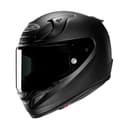
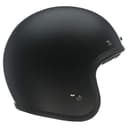
Under this line you will see three shell families: polycarbonate (injection-molded, cheap, heavier, perfectly legitimate), poly-alloy or ABS (the marketplace-modular default), and — rarely — a composite. Two helmets on this page break the pattern. The RPHA 12 uses HJC’s PIM EVO composite of carbon-aramid hybrid, carbon, glass and natural fibers, which is a construction normally priced far above here. The Bell Custom 500 uses a fiberglass composite shell in five shell sizes, which matters more than it sounds: five shells means a small head gets a small shell instead of a big shell padded out to fit.
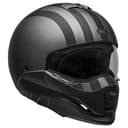
Weight is the spec most likely to be missing. Of the six picks below, three publish a claimed weight and three do not, and we do not estimate the missing ones — the spec table says “Check current listing” and the helmet simply cannot be ranked on weight. Where a figure does exist it is worth reading: the Custom 500 is dramatically lighter than anything else here, and the Broozer is heavier than a plain three-quarter helmet because of the chin-bar hardware. Our lightest-helmets ranking sorts the whole registry by published weight and shows how many makers publish nothing.
3. What is actually in the box
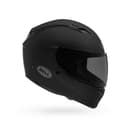
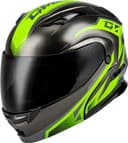
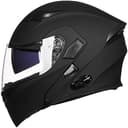
This is where the sub-$200 band is unexpectedly generous, and where the real value differences sit. A Pinlock-ready shield plus the insert, a second dark shield, a drop-down internal sun visor, speaker pockets, a chin curtain — each of those is a thing you would otherwise buy separately. The RPHA 12 ships with a clear and a dark smoke shield plus the Pinlock insert. The GMAX and the ILM both include a drop-down sun visor. The Bell Qualifier includes speaker pockets and a padded wind collar but no sun visor. The Custom 500 includes no shield at all, which is the one omission on this page that costs real money to fix.
4. Fit and head shape, which outrank all of the above
A helmet that does not fit your head shape cannot protect you properly regardless of what it is certified to, and that is not a slogan — it is the reason a cheaper helmet that fits beats a dearer one that does not. Most helmets in this band are cut for an intermediate oval, which is the most common Western head shape and also the reason riders with long-oval or round-oval heads find budget helmets uncomfortable in a way they cannot name. Measure first: our helmet sizing guide covers the measurement and the shape, and the per-brand size chart shows how far apart HJC’s and Bell’s own published charts sit for the same measured head.
What a helmet under $200 gives up — and what it does not
It gives up finish, ventilation engineering, noise control and shell count. A premium touring helmet is quieter because it is sealed better around the shield and the neck roll, and that is a design cost rather than a materials cost, so it does not come down with volume. It also gives up weight: the composite shells that save a few hundred grams over a long day are mostly above this line. And it gives up shell sizes — three is normal here, five or six is a premium feature.
What it does not give up is the legal safety floor. Every helmet on this page meets DOT FMVSS 218, which means it passed the same impact attenuation, penetration and retention requirements as the most expensive helmet in our registry. Price buys comfort, refinement and additional test protocols. It does not buy a different legal standard. The cheap helmets to avoid are not the inexpensive ones from real helmet makers — they are the uncertified novelty shells, and how to spot a fake motorcycle helmet covers how to tell them apart.
The marketplace-brand question, answered honestly
Two helmets in this band are from marketplace brands rather than legacy helmet makers: the ILM 902BT Pro here, and the ILM B-711 modular we rank on our safest budget helmets page. Both are listed as DOT-certified, and a DOT claim is a legal declaration rather than a marketing line — so they clear the bar the novelty lids fail. What they do not have is an independent lab rating to check against. Neither SHARP nor MotoCAP — the two independent labs our helmet brands guide explains — publishes results for them, and neither maker publishes a shell material or a verified helmet-only weight. If that uncertainty matters to you, buy the Bell or the GMAX instead and add a separate intercom; if the all-in-one price is the point, the ILM is the only route to it.
If your real ceiling is lower, or higher
If what you actually want is the cheapest certified helmet rather than the best one under this line, our safest budget motorcycle helmets ranking works the band below this one and names the three rules for buying cheap without buying badly. If you can stretch, the next real step up is not a nicer polycarbonate helmet — it is a second certification, so the safest motorcycle helmets ranking sorts purely by what each maker publishes, and our overall best helmets page spans every budget. For the specific comparison riders in this band ask for most often, the Bell Qualifier DLX MIPS against the HJC i10 puts a MIPS liner and a SNELL rating side by side at nearly the same money.
One last thing that is free. A helmet’s protective EPS liner crushes once and does not recover, so replace any helmet after a significant impact even if the shell looks fine, and roughly every five years otherwise as the liner and comfort materials age. When to replace a motorcycle helmet covers the signs that are worth acting on.