Apex & Armor

Best Bluetooth Motorcycle Helmets

Helmets with the intercom built in versus certified lids you add a Cardo or Sena unit to — compared on DOT certification, audio and how the comms are integrated.

By Stephen V.Last updated How we research

There are two ways to get comms in your helmet, and they lead to very different buys. The first is a helmet with the Bluetooth (or Mesh) intercom built in— the speakers, mics and control module are integrated at the factory, so there’s nothing to bolt on and nothing to snag. The second is to buy a plain certified helmet with comms-ready ear pockets and add a separate Cardo or Sena unit yourself, which costs more up front but lets you upgrade the electronics without replacing the helmet. Neither is “safer” — both paths start with a helmet that must meet the US DOT FMVSS 218 standard.

We haven’t crash-tested any of these — nobody honestly can on a review budget. What we did was read every helmet against its published certification and how the comms are integrated, then rank on fit, weight and how good the audio and intercom actually are. Below are our built-in picks from modular to full-face and budget to premium, plus the best comms-ready helmet to pair with a standalone unit. If you’re leaning toward the add-a-unit route, start with our best motorcycle intercoms guide.

How this is funded:we earn a commission if you buy through our links, at no extra cost to you. It never changes which gear we recommend, and we’ll tell you plainly when to skip a pick. Full disclosure.

Quick picks

Ranked on certification, spec and buyer fit. Select a row to jump to the full write-up. We haven’t crash-tested this gear — here is exactly what we do instead.

#GearBest forPrice
1
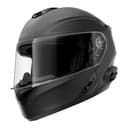
Sena Outrush R

Sena Outrush R

DOT FMVSS 218

A modular helmet with the Bluetooth mesh intercom built in and hidden — no bolt-on module, no wind snag. The US version is DOT-certified. The cleanest way to get comms without a separate purchase.

Best built-in (modular)
$368.67 · View on Amazon

Price as of July 21, 2026. #ad How we’re funded

2
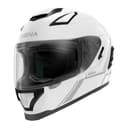
Sena Stryker

Sena Stryker

DOT FMVSS 218

A composite-fiberglass full-face with a Mesh intercom and Sound by Harman Kardon built in. DOT-certified in the US, and the audio is a real step up from bolt-on speakers.

Best built-in (full-face)
$299.00 · View on Amazon

$499.0040% off

Price as of July 21, 2026. #ad How we’re funded

3
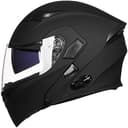
ILM 902 Bluetooth Modular

ILM 902 Bluetooth Modular

DOT FMVSS 218

The budget way into a helmet with Bluetooth built in: a DOT-certified flip-up with intercom, drop-down sun visor and dual-visor design for the price of a mid-tier helmet alone.

Best budget built-in
$219.99 · View on Amazon

Price as of July 21, 2026. #ad How we’re funded

4
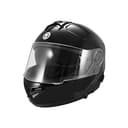
TORC T27 (Blinc Bluetooth)

TORC T27 (Blinc Bluetooth)

DOT + ECE

A fiberglass-composite modular with the Blinc Bluetooth system integrated. DOT/ECE approved, with a drop-down sun visor — a mid-budget flip-front for riders who want comms without a bolt-on.

Best composite built-in
$269.99 · View on Amazon

Price as of July 21, 2026. #ad How we’re funded

5
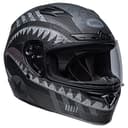
Bell Qualifier DLX MIPS

Bell Qualifier DLX MIPS

DOT FMVSS 218

The value pick that adds MIPS — a low-friction liner designed to reduce rotational forces in an angled impact — to a DOT-certified full-face at a mid price. The most safety tech per dollar in this list.

Best comms-ready to add a unit
$230.99 · View on Amazon

$329.9530% off

Price as of July 21, 2026. #ad How we’re funded

The picks in full

#1Best built-in (modular)DOT FMVSS 218

Sena Outrush R

A modular helmet with the Bluetooth mesh intercom built in and hidden — no bolt-on module, no wind snag. The US version is DOT-certified. The cleanest way to get comms without a separate purchase.

Strengths

  • DOT certified (US version) with fully integrated Bluetooth intercom
  • No external module — nothing to snag or lose
  • Drop-down sun visor and voice controls

Trade-offs

  • Integrated comms can't be upgraded independently of the helmet
  • Polycarbonate modular, so on the heavier side (~1,730 g)
Safety standardDOT FMVSS 218
ConstructionPolycarbonate + ABS shell
Claimed weight1,730 g
Key featureDOT + built-in Bluetooth intercom
Fit / sizingIntermediate oval; comms-integrated
Best forRiders who want comms built into the helmet, not bolted on

Specs and certification read from the manufacturer and retailer listing, on July 21, 2026. “Check current listing” means the maker doesn’t publish that figure — we won’t guess it.

#2Best built-in (full-face)DOT FMVSS 218

Sena Stryker

A composite-fiberglass full-face with a Mesh intercom and Sound by Harman Kardon built in. DOT-certified in the US, and the audio is a real step up from bolt-on speakers.

Strengths

  • DOT certified (US version) composite fiberglass full-face
  • Integrated Mesh intercom + Harman Kardon speakers and mics
  • No external module to mount or snag

Trade-offs

  • Premium price for the integrated audio
  • Comms are tied to the helmet — no independent upgrade path
Safety standardDOT FMVSS 218
ConstructionComposite fiberglass shell
Claimed weight1,750 g
Key featureDOT + built-in Mesh + Harman Kardon audio
Fit / sizingIntermediate oval; full-face
Best forRiders who want premium built-in audio in a full-face

Specs and certification read from the manufacturer and retailer listing, on July 21, 2026. “Check current listing” means the maker doesn’t publish that figure — we won’t guess it.

#3Best budget built-inDOT FMVSS 218

ILM 902 Bluetooth Modular

The budget way into a helmet with Bluetooth built in: a DOT-certified flip-up with intercom, drop-down sun visor and dual-visor design for the price of a mid-tier helmet alone.

Strengths

  • Meets DOT FMVSS 218 with Bluetooth intercom included
  • Flip-up modular with a drop-down sun visor
  • Genuinely inexpensive for an all-in-one

Trade-offs

  • ABS shell and basic intercom range versus a Cardo/Sena system
  • ILM doesn't publish a verified helmet-only weight
Safety standardDOT FMVSS 218
ConstructionHigh-resistance ABS shell
Claimed weightCheck current listing
Key featureDOT + built-in Bluetooth
Fit / sizingIntermediate oval; budget padding
Best forThe tightest budget that still wants integrated Bluetooth

Specs and certification read from the manufacturer and retailer listing, on July 21, 2026. “Check current listing” means the maker doesn’t publish that figure — we won’t guess it.

#4Best composite built-inDOT + ECE

TORC T27 (Blinc Bluetooth)

A fiberglass-composite modular with the Blinc Bluetooth system integrated. DOT/ECE approved, with a drop-down sun visor — a mid-budget flip-front for riders who want comms without a bolt-on.

Strengths

  • DOT/ECE approved fiberglass-nylon composite shell
  • Integrated Blinc Bluetooth and a drop-down sun visor
  • Lighter shell material than the budget ABS options

Trade-offs

  • Blinc comms are dated versus current Cardo/Sena mesh
  • TORC doesn't publish the ECE sub-version or the weight
Safety standardDOT + ECE
ConstructionFiberglass-nylon composite shell
Claimed weightCheck current listing
Key featureDOT + ECE, built-in Blinc Bluetooth
Fit / sizingIntermediate oval; comms-integrated
Best forRiders wanting a composite modular with built-in comms at a mid price

Specs and certification read from the manufacturer and retailer listing, on July 21, 2026. “Check current listing” means the maker doesn’t publish that figure — we won’t guess it.

#5Best comms-ready to add a unitDOT FMVSS 218

Bell Qualifier DLX MIPS

The value pick that adds MIPS — a low-friction liner designed to reduce rotational forces in an angled impact — to a DOT-certified full-face at a mid price. The most safety tech per dollar in this list.

Strengths

  • DOT certified with a MIPS rotational-management liner
  • Photochromic and Pinlock-ready shield options
  • Click-release shield swaps and a comms-friendly shell

Trade-offs

  • Polycarbonate shell, so heavier than a composite full-face
  • US model is DOT-only (no SNELL/ECE) — MIPS is the safety story here
Safety standardDOT FMVSS 218
ConstructionPolycarbonate shell
Claimed weight1,620 g
Key featureDOT + MIPS rotational liner
Fit / sizingIntermediate oval; true to size
Best forValue buyers who want rotational-impact tech (MIPS) without a premium price

Specs and certification read from the manufacturer and retailer listing, on July 21, 2026. “Check current listing” means the maker doesn’t publish that figure — we won’t guess it.

How to choose a Bluetooth helmet

First decide which path fits you. A built-inhelmet is the cleanest and usually cheapest all-in-one: the intercom is hidden in the shell, there’s nothing to mount, and you pay once. The catch is that the electronics are tied to the helmet — you can’t upgrade the comms without buying a new lid, and if the module dates, so does the helmet.

Built-in vs. add-a-unit

The add-a-unit path means buying a certified helmet with comms-ready ear pockets, then fitting a standalone Cardo or Sena system. It costs more up front and takes an install, but the electronics are yours to upgrade, move between helmets or repair independently. Most current standalone units also outperform an older built-in module on range, mesh group size and audio. Our Cardo vs Sena comparison covers which standalone system to pair with a comms-ready helmet, and the best intercoms guide ranks the units themselves.

What to check either way

Fit and certification come first: a comfortable, DOT-certified helmet you keep on beats a gadget-laden one that doesn’t fit. For a built-in, check speaker quality, mesh vs classic Bluetooth, and whether the controls work with gloves. For an add-a-unit helmet, confirm the ear pockets are deep enough for the speakers and that the shell has a clean spot for the module. Replace any helmet after a significant impact, and roughly every five years otherwise.

How to read our safety notes. We have not crash-tested any of this gear — nobody honestly can on a review budget. Every helmet and armor pick names the certification the maker publishes (DOT, ECE 22.06, SNELL, or a CE level), which we read from the listing on a dated visit. Certification is the floor, not a guarantee; fit and condition matter as much as the sticker. What the standards actually mean.

Frequently asked questions

Is it better to buy a helmet with Bluetooth built in or add a unit?

It depends on how you value convenience versus upgrade path. A built-in helmet is the cheapest, cleanest all-in-one with nothing to mount, but the comms can't be upgraded without replacing the whole helmet. Adding a standalone Cardo or Sena unit to a plain certified helmet costs more and takes an install, but the electronics are yours to upgrade, move between helmets and repair. Riders who change helmets often, or want the latest mesh features, usually prefer the add-a-unit route.

Does adding a Bluetooth unit affect a helmet's safety certification?

A properly designed comms unit mounts to the outside of the shell and sits speakers in the helmet's existing ear pockets, so it doesn't alter the protective shell or liner. Use the maker's clamp or adhesive mount as directed and don't modify the shell. The helmet's DOT certification is unaffected as long as you don't drill, cut or otherwise change the structure.

What is the difference between Bluetooth and Mesh intercoms?

Classic Bluetooth links a small, fixed group of riders in a chain, and if one rider drops out the chain can break. Mesh networking lets riders join and leave freely, self-heals when someone drops out, and generally supports larger groups over longer range. Some built-in helmets use classic Bluetooth; others, like the Sena Mesh models here, use Mesh. Our best intercoms guide explains which suits your group size.

Can I use a Bluetooth helmet to take calls and hear navigation?

Yes. Whether the intercom is built in or a standalone unit, it pairs to your phone over Bluetooth for calls, turn-by-turn navigation prompts and music, alongside rider-to-rider intercom. Audio quality and how well voice commands work with gloves vary by model, which is one of the things we weigh in the picks above.

Sources

Keep reading