Rider Comms & Electronics
Bluetooth and mesh intercoms compared on network type, range and audio — plus the Cardo vs Sena decision everyone gets stuck on.
A helmet intercom does more than let you chat with a riding buddy. It pipes turn-by-turn navigation into your ear so you stop glancing at a phone, takes calls without stopping, plays music, and — on a group ride — means the lead rider can warn everyone about the gravel in the next corner. It’s a quality-of-life upgrade that also keeps your eyes on the road, and it’s become the most-bought motorcycle accessory after the gear itself.
The single decision that matters most is mesh vs Bluetooth, so understand it before you shop. Bluetooth intercomlinks riders in a fixed chain: it works, it’s cheaper, but if the rider in the middle drops out of range, the riders behind them lose the link until it manually reconnects. Mesh(Cardo calls its version Dynamic Mesh / DMC; Sena calls it Mesh) builds a self-healing network — riders drop in and out of range and the group re-routes around them automatically. For two people, Bluetooth is fine — our intercoms for a rider and passenger page ranks the two-rider units and explains why a pillion cannot use a single thing mesh is sold on. For a group that spreads out on the road, mesh is worth the premium, and it’s why the flagship units cost what they do.
The pages split by budget and by decision. Our best motorcycle intercoms list ranks the systems worth buying across mesh and Bluetooth, for group touring, pillion use and everything between. Budget intercomscovers the genuinely usable cheap units — the right place to start if you want to try group riding before spending flagship money. And because two brands dominate the category and riders get stuck choosing between them, our Cardo vs Sena head-to-head lays out the real differences on mesh, audio, controls and price. If you are shopping right at the top of both ranges, Packtalk Pro versus Sena 60S EVO puts the two current flagships side by side on published figures only — and they split cleanly rather than one beating the other.
A few things decide day-to-day happiness with an intercom: audio quality (the premium units use JBL, Harman Kardon or Bose tuning for a reason — wind noise eats cheap speakers), how easy the controls are in gloves (a big dial or jog wheel beats fiddly buttons at 70 mph), battery life, and waterproofing. If your helmet already has the intercom built in, you can skip a separate unit entirely — see our Bluetooth helmets page for those. And if you have already settled on a brand, our Sena range guide decodes what the model numbers and the S/R suffix actually mean before you pick a unit, and our Cardo range guidedoes the same for the Packtalk, Freecom and Spirit families — including the fact that every Packtalk runs the same mesh network at the same published range.
Every tile below shows a top pick with a live price and a buy button. Unlike the rest of the site, comms aren’t safety-rated gear — there’s no CE or DOT standard for an intercom — so we rank them on network reliability, audio and value instead. If you’re still building your core kit, start with a certified helmet first; the intercom is the upgrade that comes after the gear that protects you.
Everything in Comms
Best Motorcycle Intercoms
Mesh and Bluetooth communication systems ranked for group touring, pillion use and value.
Our top pick
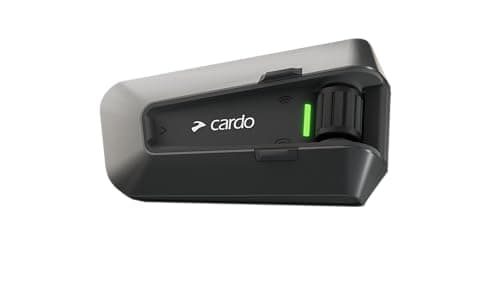
Cardo Packtalk Edge
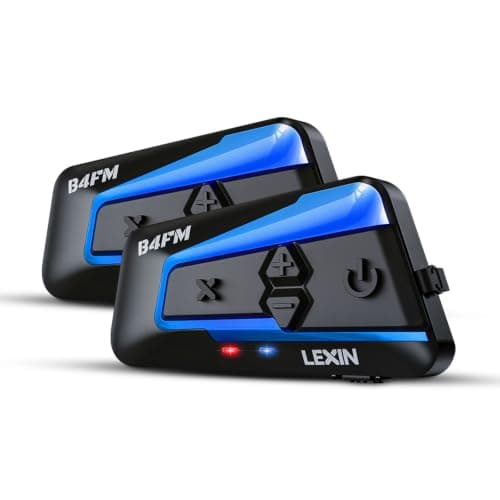
Best Budget Motorcycle Intercoms
The cheap intercoms that actually work — for trying group riding before you spend flagship money.
Cardo vs Sena
The two intercom giants compared head-to-head on mesh, audio, controls and price.
Cardo Packtalk Edge vs Sena 50S
The two most-bought mesh intercoms, model against model — network behavior, audio, mounting and controls.
Mesh vs Bluetooth Intercoms
Why a Bluetooth chain drops the whole group when one rider turns off, and what mesh actually changes.
Cardo Freecom 4X vs Sena Spider ST1
Bluetooth done properly against mesh done cheaply — the mid-tier decision that comes down to how many people you ride with.
Best Sena Intercoms
The whole Sena range decoded — what the number and the S/R suffix actually tell you, and which unit fits the way you ride.
Our top pick
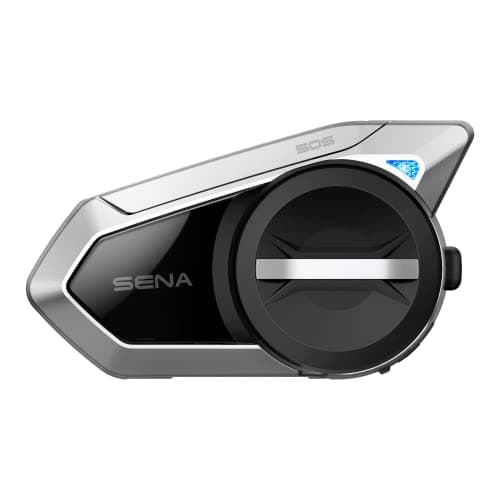
Sena 50S
Best Cardo Intercoms
Every Packtalk runs the same mesh network — so what does the extra money buy? The Cardo range ranked on what Cardo actually publishes.
Our top pick
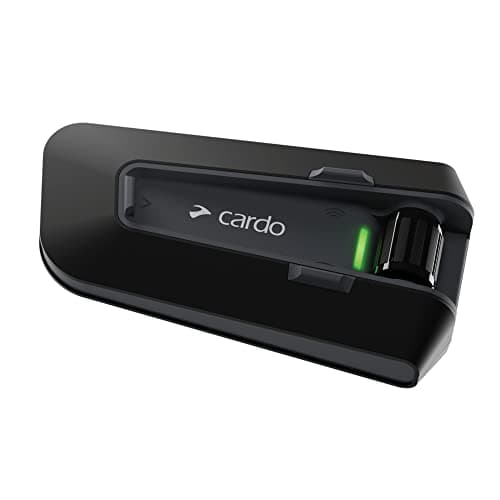
Cardo Packtalk Neo
Best Motorcycle Intercoms for Group Riding
Ranked on the one number that decides a group ride — how many riders the maker says the unit actually holds on one conversation, and how far apart they can get.
Our top pick
Cardo Packtalk Neo
Best Motorcycle Intercoms for a Rider and Passenger
Two-up is the one case where the budget unit is the right answer. Ranked on speaker size, glove-friendly controls and talk time — not the rider counts and mesh ranges a pair can never use.
Our top pick
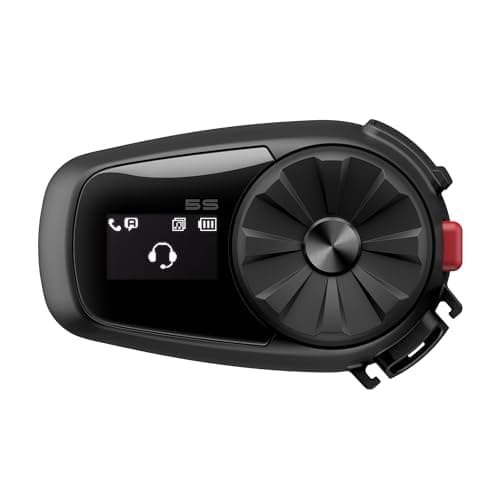
Sena 5S
Cardo Packtalk Pro vs Sena 60S EVO
The current flagships, on published figures only — Cardo reaches more riders and detects a crash, Sena talks for more than twice as long and reaches riders with no radio path at all.
Cardo Packtalk Edge vs Packtalk Neo
Same mesh, same JBL speakers, same 13 hours of talk time — Cardo publishes identical figures. The premium buys the Air Mount, charging while you ride and a third year of warranty.
Our top pick
Cardo Packtalk Neo