Apex & Armor

Best Full-Face Helmets

The most protective helmet style, with full chin coverage — premium, sport, value and budget full-face picks cross-checked against DOT, ECE 22.06 and SNELL.

By Stephen V.Last updated How we research

A full-face helmet is the most protective style you can buy: the chin bar is part of the shell, so it covers the face and jaw that open-face and (open) modular helmets leave exposed. The chin and face take a large share of impacts in a crash, which is why we treat full-face as the default recommendation for street riding. As always, start with the certification. Every helmet here meets the US DOT FMVSS 218standard — the legal floor — and the picks add ECE 22.06, a SNELL M2020 rating, or a MIPS rotational liner on top, each of which means the shell cleared more, and tougher, testing.

We haven’t crash-tested any of these — nobody honestly can on a review budget. What we did was read every helmet against its published certification, shell material and weight, then rank on the things that actually decide whether you wear it: fit, weight and noise. A helmet you find comfortable is a helmet you’ll keep on. Below are our full-face picks from a light sport-touring flagship down to a budget lid that still carries a SNELL rating, each with the certification it carries and who it isn’t for.

How this is funded:we earn a commission if you buy through our links, at no extra cost to you. It never changes which gear we recommend, and we’ll tell you plainly when to skip a pick. Full disclosure.

Quick picks

Ranked on certification, spec and buyer fit. Select a row to jump to the full write-up. We haven’t crash-tested this gear — here is exactly what we do instead.

#GearBest forPrice
1
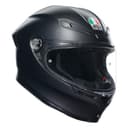
AGV K6 S

AGV K6 S

DOT + ECE 22.06

One of the lightest full-carbon-aramid lids you can buy at ~1,255 g, and it's certified to the newer ECE 22.06 standard on top of DOT. The sport-touring helmet for riders who notice weight on a long day.

Best overall
$599.00 · View on Amazon

$639.006% off

Price as of July 21, 2026. #ad How we’re funded

2
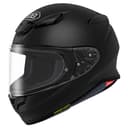
Shoei RF-1400

Shoei RF-1400

DOT + SNELL M2020D

The full-face most experienced riders land on: Shoei's hand-laid AIM+ shell, DOT plus a SNELL M2020 rating, and a quiet, refined fit. You're paying for finish and certification, and it shows.

Best premium (SNELL)
$549.99 · View on Amazon

Price as of July 21, 2026. #ad How we’re funded

3
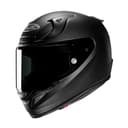
HJC RPHA 11 Pro

HJC RPHA 11 Pro

DOT + ECE

HJC's sport flagship: a PIM+ carbon-hybrid shell, DOT and ECE certification, and a shape built for a tucked riding position. The performance full-face that undercuts the European premiums on price.

Best sport
$629.99 · View on Amazon

Price as of July 21, 2026. #ad How we’re funded

4
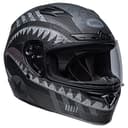
Bell Qualifier DLX MIPS

Bell Qualifier DLX MIPS

DOT FMVSS 218

The value pick that adds MIPS — a low-friction liner designed to reduce rotational forces in an angled impact — to a DOT-certified full-face at a mid price. The most safety tech per dollar in this list.

Best value (MIPS)
$230.99 · View on Amazon

$329.9530% off

Price as of July 21, 2026. #ad How we’re funded

5
HJC i10

HJC i10

DOT + SNELL M2020

The rare budget full-face that carries a SNELL M2020 rating on top of DOT — the voluntary top-tier test most sub-$150 helmets skip. The strongest safety-per-dollar case for a first helmet.

Best budget
$111.92 · View on Amazon

$169.9934% off

Price as of July 21, 2026. #ad How we’re funded

The picks in full

#1Best overallDOT + ECE 22.06

AGV K6 S

One of the lightest full-carbon-aramid lids you can buy at ~1,255 g, and it's certified to the newer ECE 22.06 standard on top of DOT. The sport-touring helmet for riders who notice weight on a long day.

Strengths

  • DOT + ECE 22.06 — tested to the newer standard with rotational-impact criteria
  • Carbon-aramid shell, ~1,255 g — genuinely light, reduces neck fatigue on tour
  • Wide eyeport and strong airflow from AGV's racing lineage

Trade-offs

  • Premium price for the carbon-aramid construction
  • Sportier interior padding is firmer than a plush touring helmet
Safety standardDOT + ECE 22.06
ConstructionCarbon-aramid fiber shell
Claimed weight1,255 g
Key featureDOT + ECE 22.06
Fit / sizingIntermediate oval; light on the head
Best forSport-touring riders who want the lightest certified full-face

Specs and certification read from the manufacturer and retailer listing, on July 21, 2026. “Check current listing” means the maker doesn’t publish that figure — we won’t guess it.

#2Best premium (SNELL)DOT + SNELL M2020D

Shoei RF-1400

The full-face most experienced riders land on: Shoei's hand-laid AIM+ shell, DOT plus a SNELL M2020 rating, and a quiet, refined fit. You're paying for finish and certification, and it shows.

Strengths

  • DOT + SNELL M2020D — both the US legal floor and the voluntary top-tier test
  • Hand-laid AIM+ multi-fiber shell, light for a full glass-composite lid (~1,640 g)
  • Refined ventilation and a genuinely quiet ride at highway speed

Trade-offs

  • Premium price — you pay for the shell and the SNELL rating
  • Intermediate-oval fit doesn't suit every head shape
Safety standardDOT + SNELL M2020D
ConstructionAIM+ multi-fiber composite shell
Claimed weight1,640 g
Key featureDOT + SNELL M2020D
Fit / sizingIntermediate oval; runs true to size
Best forRiders who want the safest all-round street helmet and will pay for it

Specs and certification read from the manufacturer and retailer listing, on July 21, 2026. “Check current listing” means the maker doesn’t publish that figure — we won’t guess it.

#3Best sportDOT + ECE

HJC RPHA 11 Pro

HJC's sport flagship: a PIM+ carbon-hybrid shell, DOT and ECE certification, and a shape built for a tucked riding position. The performance full-face that undercuts the European premiums on price.

Strengths

  • DOT + ECE certified in a carbon-hybrid (PIM+) shell
  • Aggressive aero shape tuned for a sport riding position
  • Emergency-release cheek pads and a wide field of view

Trade-offs

  • HJC doesn't publish the exact shell weight
  • Sport-tuned airflow is loud at touring speeds without earplugs
Safety standardDOT + ECE
ConstructionPIM+ carbon-hybrid shell
Claimed weightCheck current listing
Key featureDOT + ECE
Fit / sizingIntermediate oval; sport-tuned
Best forSport riders who want a track-shaped helmet without the top-tier price

Specs and certification read from the manufacturer and retailer listing, on July 21, 2026. “Check current listing” means the maker doesn’t publish that figure — we won’t guess it.

#4Best value (MIPS)DOT FMVSS 218

Bell Qualifier DLX MIPS

The value pick that adds MIPS — a low-friction liner designed to reduce rotational forces in an angled impact — to a DOT-certified full-face at a mid price. The most safety tech per dollar in this list.

Strengths

  • DOT certified with a MIPS rotational-management liner
  • Photochromic and Pinlock-ready shield options
  • Click-release shield swaps and a comms-friendly shell

Trade-offs

  • Polycarbonate shell, so heavier than a composite full-face
  • US model is DOT-only (no SNELL/ECE) — MIPS is the safety story here
Safety standardDOT FMVSS 218
ConstructionPolycarbonate shell
Claimed weight1,620 g
Key featureDOT + MIPS rotational liner
Fit / sizingIntermediate oval; true to size
Best forValue buyers who want rotational-impact tech (MIPS) without a premium price

Specs and certification read from the manufacturer and retailer listing, on July 21, 2026. “Check current listing” means the maker doesn’t publish that figure — we won’t guess it.

#5Best budgetDOT + SNELL M2020

HJC i10

The rare budget full-face that carries a SNELL M2020 rating on top of DOT — the voluntary top-tier test most sub-$150 helmets skip. The strongest safety-per-dollar case for a first helmet.

Strengths

  • DOT + SNELL M2020 — a SNELL rating at a budget price is unusual
  • Comes with a Pinlock-ready shield and comms-friendly ear pockets
  • Simple, comfortable interior that's fully removable and washable

Trade-offs

  • Sizes 3XL-5XL are DOT-only (no SNELL) — check the size chart
  • Basic ventilation compared with a premium full-face
Safety standardDOT + SNELL M2020
ConstructionPolycarbonate composite shell
Claimed weight1,680 g
Key featureDOT + SNELL M2020
Fit / sizingIntermediate oval; true to size
Best forNew riders who want the most certification for the least money

Specs and certification read from the manufacturer and retailer listing, on July 21, 2026. “Check current listing” means the maker doesn’t publish that figure — we won’t guess it.

How to choose a full-face helmet

Work in this order: fit first, then certification, then weight and noise.A full-face that doesn’t match your head shape can’t protect you properly no matter what it’s rated to, so measure your head and check the shape (most here are intermediate-oval) before anything else — our helmet sizing guidewalks through it. A full-face should hold your cheeks firmly without pressure points and shouldn’t rock when you shake your head.

Certification, weight and shell material

DOT is required for US road use. ECE 22.06 adds rotational and multi-point impact testing, SNELL M2020 is a tougher voluntary protocol, and MIPSis a low-friction liner designed to reduce rotational forces in an angled hit. More of these means more testing cleared, but the best helmet is still the one that fits. Composite shells (carbon-aramid, fiberglass) run lighter than polycarbonate, which cuts neck fatigue on long days — worth paying for if you ride far. Replace any helmet after a significant impact, and roughly every five years otherwise.

How to read our safety notes. We have not crash-tested any of this gear — nobody honestly can on a review budget. Every helmet and armor pick names the certification the maker publishes (DOT, ECE 22.06, SNELL, or a CE level), which we read from the listing on a dated visit. Certification is the floor, not a guarantee; fit and condition matter as much as the sticker. What the standards actually mean.

Frequently asked questions

Why is a full-face helmet considered the safest style?

Because the chin bar is an integral part of the shell, a full-face covers the face and jaw that open-face and open-modular helmets leave exposed. The chin and face take a meaningful share of impacts in a crash, so full chin coverage removes a major vulnerability. Every full-face here also meets the DOT standard, and most add ECE, SNELL or MIPS on top.

Do I need a SNELL-rated helmet, or is DOT enough?

DOT is the legal minimum for US road use and every helmet here meets it. SNELL M2020 is a tougher, voluntary test on top, and a couple of picks carry it, including a budget option. A DOT-only helmet with a MIPS liner or ECE 22.06 rating is also a strong choice. More certification means more testing cleared, but fit still decides real-world protection, so don't chase a rating into a helmet that doesn't fit your head.

Are composite helmets worth the extra money over polycarbonate?

For long-distance riders, often yes. Composite shells such as carbon-aramid and multi-fiber run lighter than polycarbonate, which reduces neck fatigue over a full day and can make the helmet quieter and more refined. Polycarbonate helmets meet the same DOT test and cost less, so if your rides are short the savings may matter more than the weight. It's a comfort-and-budget call, not a safety-floor one.

How should a full-face helmet fit?

It should be snug all around with firm, even pressure on your cheeks and no gaps at the forehead or temples. Wear it a few minutes to check for pressure points, and try to rotate it on your head, it shouldn't move much. Head shape matters as much as circumference, so a helmet that measures right can still fit poorly if the shape is wrong. Our sizing guide covers both.

Sources

Keep reading