Apex & Armor

Open-Face vs Full-Face Helmets

A 3/4 helmet and a full-face can carry exactly the same DOT certification. The difference is not the sticker — it is the chin bar, and this page is about what that is actually worth.

By Stephen V.Last updated How we research

Buy a full-face. If you ride mostly at highway speed, or in traffic, or in cold or wet weather, or you have no strong reason to want your face in the wind, the full-face is the better helmet and the AGV K6 S is our pick — DOT plus ECE 22.06, the only standard here that tested rotational impact, in the lightest full-face we rank. That is the verdict and we are not going to bury it. An open-face helmet protects your skull and leaves your jaw, chin, cheeks and eyes exposed to whatever you hit.

And yet the open-face is the most-read ranking on this site, because the riders who want one have real reasons. Low-speed city riding where you talk to people at every light. Cruiser riding where an upright position puts the wind on your chest rather than your chin. Heat. Claustrophobia, which is not a joke — a rider who takes a full-face off in traffic is wearing nothing. Vision and hearing that genuinely are less obstructed. If you are that rider, the right answer is the best-certified open-face you can get, and three of them are ranked below.

What this page does notdo is put a number on how much safety the chin bar buys. There is a widely-quoted statistic about the share of helmet impacts that land on the chin, and we are not repeating it, because every version we can find traces back to a 1980s European study we cannot read in primary form. We would rather tell you the mechanism and be honest about the measurement gap — see our methodology. Everything factual below about these six helmets is the certification, shell and weight their maker publishes, on a dated visit.

How this is funded: we earn a commission if you buy through our links, at no extra cost to you. It never changes which gear we recommend, and we’ll tell you plainly when to skip a pick. Full disclosure.

Quick picks

Ranked on certification, spec and buyer fit. Select a row to jump to the full write-up. We haven’t crash-tested this gear — here is exactly what we do instead.

#GearBest forPrice
1
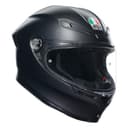
AGV K6 S

AGV K6 S

DOT + ECE 22.06

One of the lightest full-carbon-aramid lids you can buy at ~1,255 g, and it's certified to the newer ECE 22.06 standard on top of DOT. The sport-touring helmet for riders who notice weight on a long day.

Best full-face overall
$639.00 · View on Amazon

Price as of October 4, 2026. #ad How we’re funded

2
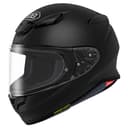
Shoei RF-1400

Shoei RF-1400

DOT + SNELL M2020D

The full-face most experienced riders land on: Shoei's hand-laid AIM+ shell, DOT plus a SNELL M2020 rating, and a quiet, refined fit. You're paying for finish and certification, and it shows.

Best full-face for certification
$549.99 · View on Amazon

Price as of October 4, 2026. #ad How we’re funded

3
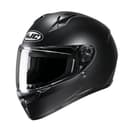
HJC C10

HJC C10

DOT

HJC's entry full-face, and one of the cheapest DOT-approved lids from a major maker. An advanced polycarbonate composite shell and a proper removable liner — the honest floor for a first helmet.

Best full-face on a budget
$119.99 · View on Amazon

$139.9914% off

Price as of October 4, 2026. #ad How we’re funded

4
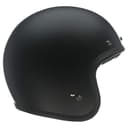
Bell Custom 500

Bell Custom 500

DOT

The 1954 silhouette that started the category, still built properly: a fiberglass composite shell in five sizes and a genuinely low-profile fit at about 982 g. It is DOT-certified, and it leaves your face completely exposed — that trade is the whole point of the helmet.

Best open-face overall
$179.95 · View on Amazon

Price as of October 4, 2026. #ad How we’re funded

5
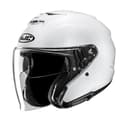
HJC i31

HJC i31

DOT

The modern take on an open-face: DOT-approved, with a drop-down internal sun visor and a proper face shield rather than a snap-on peak. The sensible commuter choice if you want an open lid that still keeps rain and bugs off.

Best open-face with a sun visor
$159.99 · View on Amazon

Price as of October 4, 2026. #ad How we’re funded

6
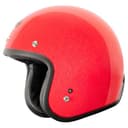
TORC T-50

TORC T-50

DOT FMVSS 218

The cheapest DOT-certified open-face we'd actually put on a head. A polycarbonate shell, multi-density EPS and a D-ring strap — the basics done right, with none of the extras.

Best open-face on a budget
$77.95 · View on Amazon

Price as of October 4, 2026. #ad How we’re funded

The picks in full

#1Best full-face overallDOT + ECE 22.06

AGV K6 S

One of the lightest full-carbon-aramid lids you can buy at ~1,255 g, and it's certified to the newer ECE 22.06 standard on top of DOT. The sport-touring helmet for riders who notice weight on a long day.

Strengths

  • DOT + ECE 22.06 — tested to the newer standard with rotational-impact criteria
  • Carbon-aramid shell, ~1,255 g — genuinely light, reduces neck fatigue on tour
  • Wide eyeport and strong airflow from AGV's racing lineage

Trade-offs

  • Premium price for the carbon-aramid construction
  • Sportier interior padding is firmer than a plush touring helmet
Safety standardDOT + ECE 22.06
ConstructionCarbon-aramid fiber shell
Claimed weight1,255 g
Key featureDOT + ECE 22.06
Fit / sizingIntermediate oval; light on the head
Best forSport-touring riders who want the lightest certified full-face

Specs and certification read from the manufacturer and retailer listing, on July 21, 2026. “Check current listing” means the maker doesn’t publish that figure — we won’t guess it.

#2Best full-face for certificationDOT + SNELL M2020D

Shoei RF-1400

The full-face most experienced riders land on: Shoei's hand-laid AIM+ shell, DOT plus a SNELL M2020 rating, and a quiet, refined fit. You're paying for finish and certification, and it shows.

Strengths

  • DOT + SNELL M2020D — both the US legal floor and the voluntary top-tier test
  • Hand-laid AIM+ multi-fiber shell, light for a full glass-composite lid (~1,640 g)
  • Refined ventilation and a genuinely quiet ride at highway speed

Trade-offs

  • Premium price — you pay for the shell and the SNELL rating
  • Intermediate-oval fit doesn't suit every head shape
Safety standardDOT + SNELL M2020D
ConstructionAIM+ multi-fiber composite shell
Claimed weight1,640 g
Key featureDOT + SNELL M2020D
Fit / sizingIntermediate oval; runs true to size
Best forRiders who want the safest all-round street helmet and will pay for it

Specs and certification read from the manufacturer and retailer listing, on July 21, 2026. “Check current listing” means the maker doesn’t publish that figure — we won’t guess it.

#3Best full-face on a budgetDOT

HJC C10

HJC's entry full-face, and one of the cheapest DOT-approved lids from a major maker. An advanced polycarbonate composite shell and a proper removable liner — the honest floor for a first helmet.

Strengths

  • DOT approved from an established helmet maker, not a marketplace brand
  • Advanced polycarbonate composite shell with a removable, washable liner
  • Multiple shell sizes so smaller heads aren't padded out

Trade-offs

  • HJC doesn't publish a weight for the C10
  • No ECE or SNELL rating and no internal sun visor at this price
Safety standardDOT
ConstructionAdvanced polycarbonate composite shell
Claimed weightCheck current listing
Key featureDOT
Fit / sizingIntermediate oval; runs true to size
Best forFirst-time buyers who want a major-brand certified helmet at the lowest price

Specs and certification read from the manufacturer and retailer listing, on September 5, 2026. “Check current listing” means the maker doesn’t publish that figure — we won’t guess it.

#4Best open-face overallDOT

Bell Custom 500

The 1954 silhouette that started the category, still built properly: a fiberglass composite shell in five sizes and a genuinely low-profile fit at about 982 g. It is DOT-certified, and it leaves your face completely exposed — that trade is the whole point of the helmet.

Strengths

  • DOT-certified (ECE in Europe) fiberglass composite shell — not a novelty lid
  • Five shell and EPS sizes, so a small head isn't wearing a padded-out big shell
  • About 982 g (size M) — the lightest helmet in this roundup by a wide margin

Trade-offs

  • No chin bar and no face shield as standard — zero facial impact protection
  • The 5-snap visor system means buying a shield or goggles separately
Safety standardDOT
ConstructionFiberglass composite shell
Claimed weight982 g
Key featureDOT, 5 shell sizes
Fit / sizingLow-profile oval; 5 shell sizes XS-3XL
Best forCruiser and classic riders who want the retro shape without a novelty shell

Specs and certification read from the manufacturer and retailer listing, on August 11, 2026. “Check current listing” means the maker doesn’t publish that figure — we won’t guess it.

#5Best open-face with a sun visorDOT

HJC i31

The modern take on an open-face: DOT-approved, with a drop-down internal sun visor and a proper face shield rather than a snap-on peak. The sensible commuter choice if you want an open lid that still keeps rain and bugs off.

Strengths

  • DOT-approved with a full face shield, not just a snap visor
  • Drop-down internal sun visor — no swapping tinted shields at dusk
  • Speaker pockets sized for a bolt-on intercom

Trade-offs

  • HJC doesn't publish a shell weight for the i31
  • Still an open-face: no chin protection whatsoever
Safety standardDOT
ConstructionAdvanced polycarbonate composite shell
Claimed weightCheck current listing
Key featureDOT, internal sun visor
Fit / sizingIntermediate oval; runs true to size
Best forCommuters who want open-face airflow with a real shield and sun visor

Specs and certification read from the manufacturer and retailer listing, on August 11, 2026. “Check current listing” means the maker doesn’t publish that figure — we won’t guess it.

#6Best open-face on a budgetDOT FMVSS 218

TORC T-50

The cheapest DOT-certified open-face we'd actually put on a head. A polycarbonate shell, multi-density EPS and a D-ring strap — the basics done right, with none of the extras.

Strengths

  • DOT FMVSS 218 certified at a genuine budget price
  • Multi-density EPS and a D-ring chin strap, not a cheap quick-release
  • Removable suede liner and detachable cheek pads for fit tuning

Trade-offs

  • No ECE rating and no published weight
  • Snap-on visor only; no face shield, so you'll want goggles or glasses
Safety standardDOT FMVSS 218
ConstructionPolycarbonate shell
Claimed weightCheck current listing
Key featureDOT FMVSS 218
Fit / sizingSlim 3/4 profile; removable cheek pads
Best forRiders who want a certified retro 3/4 helmet for well under $100

Specs and certification read from the manufacturer and retailer listing, on August 11, 2026. “Check current listing” means the maker doesn’t publish that figure — we won’t guess it.

The two helmets, side by side

What you care aboutFull-faceOpen-face (3/4)
CoverageSkull, jaw, chin and face, behind a shield that is part of the certified assemblySkull, ears and back of the head. Jaw, chin and face open
Certification availableDOT, and ECE 22.06 or SNELL on better models — the strongest cert pairs on the market are all full-faceDOT, routinely. ECE on some. SNELL on effectively none in this category
Wind noiseLower, and controllable — sealing and a neck roll are what make a helmet quietHigher and unsealable. Turbulence around an open chin is loud at any real speed
WeightHeavier for the same shell material — there is more helmetLighter, usually noticeably so
Heat and airflowVent-dependent. A mesh jacket does more for you than an extra helmet ventUnbeatable below about 30 mph; irrelevant above it
GlassesAwkward — arms have to thread past the cheek pads. Some models cut channels for themEasy. This is a genuine, under-rated advantage of a 3/4 helmet
WeatherRain, cold, grit and insects all stop at the shieldAll of it reaches your face. Rain at 60 mph genuinely hurts
IntercomsBest case — a sealed shell is a better acoustic environment for speakers and a boom micWorkable with a wired boom mic; wind noise is the limiting factor

What the certification does and does not tell you

This is the part that trips people up. DOT FMVSS 218 certifies open-face helmets. It is a real certification and a 3/4 helmet carrying it is a legal, tested helmet — tested for the area it covers. The standard does not require a chin bar, so a helmet without one can pass it completely honestly. A DOT sticker on an open-face is not a loophole; it just is not a statement about your jaw.

Where the two types genuinely diverge is at the top of the market. The strongest certification pairs you can buy — DOT plus SNELL, DOT plus ECE 22.06 — are almost entirely full-face territory, because Snell’s protocol and the UNECE regulation both involve tests that assume a chin bar is there. If you want the most-tested helmet available, the type decision is already made for you. Our safest-helmets ranking works through that in full, and our certification guide explains each mark.

One sub-category deserves a warning. A convertible helmet with a removable chin bar is usually certified only in one configuration, and often the chin bar itself carries no rating at all. The Bell Broozer in our registry is exactly this: DOT, with a removable chin bar that is unrated. Treat a detachable chin bar as wind protection, not as impact protection, unless the maker publishes a rating for it — which is different from a modular helmet with a dual P/J homologation, covered in modular versus full-face.

Who should actually buy the open-face

  • Cruiser and city riders at low speed.An upright riding position and 35 mph change the wind problem entirely. If your riding is errands, short hops and a bike night, the open-face’s advantages are real and its biggest weakness — speed — is not in play. Our cruiser helmet ranking covers both types for that riding position.
  • Riders who wear glasses. Threading spectacle arms past the cheek pads of a full-face is the single most common reason we see people give up on one. An open-face removes the problem completely. If you would rather solve it inside a full-face, that ranking exists too.
  • Riders who cannot tolerate a full-face. If a closed helmet makes you panic, you will ride without one. A certified 3/4 helmet you will actually wear beats a SNELL-rated full-face in the garage, and that is not a compromise we are embarrassed to recommend.
  • Hot-climate short-distance riding.With the caveat that above about 30 mph the airflow advantage disappears and the fatigue from noise and buffeting takes over. Our hot-weather gear guide argues that the jacket, not the helmet, is where heat is really won.

If you buy the open-face, buy these three things with it

  1. Eye protection you can rely on.A 3/4 helmet with a short peak and no shield puts your eyes in the wind, and grit at speed is a crash risk, not an annoyance. Either buy a model with a full face shield or a drop-down visor — the HJC i31 above has an internal sun visor as well — or ride in proper goggles. Sunglasses are not it.
  2. Earplugs. Open-face wind noise is not fixable by helmet choice. Our earplugs guide covers what the ratings mean.
  3. Something over your face in cold weather.A balaclava or a neck tube is the difference between a 45 F morning being fine and being unrideable. See cold-weather gear.

How we ranked these six

  • The AGV K6 S leads because it answers the whole page. DOT plus ECE 22.06 by name, a carbon-aramid shell, and the lightest full-face in our registry — which removes the one honest weight advantage an open-face has.
  • The Shoei RF-1400 is the certification pick.DOT plus SNELL M2020D on a hand-laid AIM+ shell at about 1,640 g, and quiet with it. If you want the most-tested road helmet rather than the lightest, this is it.
  • The HJC C10 is the budget full-face. DOT, a polycarbonate shell and a price that undercuts most open-faces, which matters: cost is not a reason to skip the chin bar. More in our budget ranking.
  • The Bell Custom 500 is the best open-face here because of something that has nothing to do with styling: five shell sizes. A small head in a one-shell helmet wears an oversized shell packed out with foam, and five shells means the helmet is actually sized to you. Full ranking on our open-face page.
  • The HJC i31 is the practical open-face. DOT with a drop-down internal sun visor, which solves the eye-protection and low-sun problems a bare 3/4 helmet creates. See helmets with a sun visor for the mechanism and its costs.
  • The TORC T-50 is the cheap one that is still certified. DOT FMVSS 218 at the bottom of the market. It is here so that nobody reading this page concludes the only affordable open-face is an uncertified novelty lid — those exist, and our guide to spotting a fake helmet is about exactly that market.
How to read our safety notes. We have not crash-tested any of this gear — nobody honestly can on a review budget. Every helmet and armor pick names the certification the maker publishes (DOT, ECE 22.06, SNELL, or a CE level), which we read from the listing on a dated visit. Certification is the floor, not a guarantee; fit and condition matter as much as the sticker. What the standards actually mean.

Frequently asked questions

Is an open-face helmet safe?

An open-face helmet from a real helmet maker is a certified, tested helmet — DOT FMVSS 218 covers 3/4 helmets and they pass it honestly. What it does not do is protect your jaw, chin, cheeks or eyes, because there is no chin bar and often no shield. So the accurate answer is that it is safe for the part of your head it covers and offers nothing for the part it does not. If you are choosing between a certified open-face and no helmet, wear the open-face. If you are choosing between a certified open-face and a certified full-face for highway riding, the full-face protects more of you.

Should I buy an open-face or a full-face helmet?

Full-face, unless you have a specific reason not to. Highway speed, traffic, cold, rain and long distances all favour it, and every strongest certification pair on the market — DOT plus SNELL, DOT plus ECE 22.06 — is full-face territory. The open-face is the right buy if your riding is genuinely low-speed and local, if you wear glasses and have given up on threading them into a full-face, if a closed helmet makes you claustrophobic enough that you would ride without one, or if you ride a cruiser upright in a hot climate. A certified helmet you will actually wear beats a better helmet you take off.

Do open-face helmets get DOT approved?

Yes, routinely. DOT FMVSS 218 does not require a chin bar, so an open-face helmet can be fully certified — all three open-face picks on this page publish DOT. What you will almost never find on a 3/4 helmet is SNELL certification, and ECE only sometimes, because both of those protocols involve testing that assumes a chin bar. A DOT sticker on an open-face is not a loophole; it simply is not a statement about your jaw.

Are open-face helmets louder than full-face helmets?

Significantly, and it is not fixable. What makes a helmet quiet is sealing — a shield that closes against a gasket, a deep neck roll, a shell shape that keeps turbulence off the opening. An open-face has an open chin by definition, so the air moving past your face and under the shell is the noise, and no model choice removes it. If you ride an open-face at highway speed, treat earplugs as part of the helmet rather than an accessory. Our quietest-helmets ranking covers what sealing actually does.

Can you wear glasses with a full-face helmet?

Yes, but you have to thread the arms past the cheek pads while pulling the helmet on, and in some models that is genuinely unpleasant. Helmets that handle it well either cut channels in the cheek pads for spectacle arms or use a cheek pad you can swap for a thinner one. If you have tried and hated it, an open-face removes the problem entirely, which is one of the strongest practical arguments for a 3/4 helmet. We rank the full-faces that cope best with glasses separately.

Is a helmet with a removable chin bar as safe as a full-face?

No, and treat this as the default assumption unless the maker says otherwise. A convertible helmet is usually certified in one configuration only, and the detachable chin bar itself frequently carries no impact rating at all — the Bell Broozer in our registry is DOT-certified with an explicitly unrated removable chin bar. That is wind and debris protection, not impact protection. It is a different thing from a modular helmet with ECE dual P/J homologation, which is genuinely tested with the chin bar both up and down.

Are open-face helmets lighter than full-face helmets?

Usually yes, for the same shell material, because there is less helmet. That is a real benefit on a long day, and neck fatigue is the reason it matters rather than any single ride. It is worth knowing that the gap closes at the top of the market: the lightest full-face in our registry is a carbon-aramid shell at a weight that undercuts plenty of mid-priced open-faces. If weight is your main objection to a full-face, look at what the maker publishes in grams before you decide — our lightest-helmets ranking lists every figure makers publish.

Do I need eye protection with an open-face helmet?

Yes — and most US states require it in some form, which is a separate question from whether a helmet is required. Grit, insects and rain hitting an unprotected eye at speed is a crash risk, not just discomfort. Buy an open-face with a full face shield, or one with a drop-down internal visor, or ride in proper goggles. Sunglasses are not eye protection at highway speed: they do not seal and they are not made to take an impact.

Sources

Keep reading

More in Helmets