How Much Does Motorcycle Gear Cost?
Three head-to-toe kits at three budgets, built from picks we actually recommend and priced live rather than guessed — plus the order to buy them in when you cannot afford all of it at once.
How this is funded: we earn a commission if you buy through our links, at no extra cost to you. It never changes which gear we recommend, and we’ll tell you plainly when to skip a pick. Full disclosure.
“How much is gear going to cost me?” is one of the first questions a new rider asks, and most of the answers online are a range somebody invented. We are not going to do that. This site does not store prices at all — every product shows a live, date-stamped figure pulled from a retailer feed that expires after 48 hours, and where no verified price is available it says “Check price” rather than showing a number that might be a year old.
So instead of totals, here are three complete kits at three levels, built from picks that appear in our rankings on their own merits. Click through, read today’s prices, and add them up. That is your real number.
What a kit has to include
Four items are non-negotiable, and a fifth is the cheapest meaningful upgrade available afterwards.
- A certified helmet that fits. DOT (FMVSS 218) is the US legal requirement in most states. NHTSA’s published analysis puts helmets at roughly 37% effective at preventing rider fatalities, which is the clearest number in any of this.
- Gloves. Hands go out reflexively in a fall, before any decision is made.
- A jacket with CE armor. The largest area of skin, and the garment that holds shoulder and elbow protection.
- Boots that cover the ankle. Ordinary shoes give no torsional restraint and abrade through in a couple of meters.
- A CE Level 2 back insert. Most jackets ship with a foam comfort pad in the back pocket, which has passed no impact test. This is the highest-value small purchase in motorcycling.
Trousers are the honest omission from every budget kit, and we are not going to pretend otherwise — most new riders ride in jeans for a while. Armored riding jeans or knee guards are the next thing to add once the five above are covered.
Kit one: the entry-level set
Everything here is certified where certification exists, from real manufacturers, at the bottom of the market. This is not a compromise kit in the sense that matters — it is a genuine head-to-toe set. What you give up is weight, comfort, weather range and service life, none of which is protection.
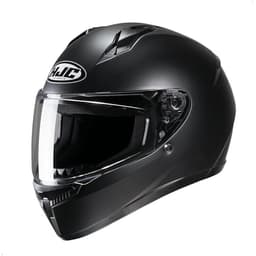
Helmet — DOT certified
HJC C10
DOTHJC's entry full-face, and one of the cheapest DOT-approved lids from a major maker. An advanced polycarbonate composite shell and a proper removable liner — the honest floor for a first helmet.
See the budget helmet ranking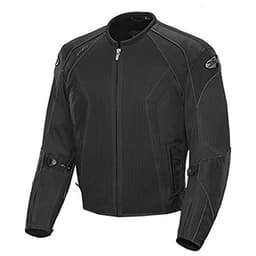
Jacket — mesh with armor pockets
Joe Rocket Phoenix 6.0 Mesh
The long-running value mesh jacket: full FreeAir mesh, CE-ready armor pockets and a huge size range, for around a hundred dollars. The default first summer jacket for a lot of riders.
See the budget jacket rankingPrice as of October 18, 2026. #ad How we’re funded
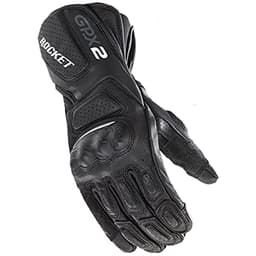
Gloves — goatskin, hard knuckle
Joe Rocket GPX 2.0 Leather
A goatskin-leather glove with a hard knuckle at a genuinely low price — real abrasion resistance for riders who don't want to spend gauntlet money. The value leather short-cuff.
See the glove rankingPrice as of October 18, 2026. #ad How we’re funded
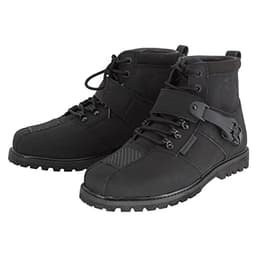
Boots — leather, ankle protection
Joe Rocket Outbreak Boots
The cheapest way to a real leather riding boot with ankle protection and an oil-resistant sole. Casual styling that walks fine and covers the basics for a commuter.
See the budget boot rankingPrice as of October 18, 2026. #ad How we’re funded
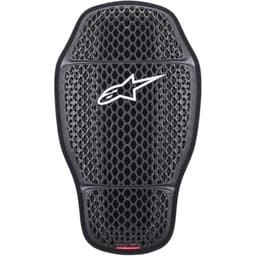
Back protector — CE EN 1621-2 Level 1
Alpinestars Nucleon KR-Celli Insert
CE EN 1621-2:2014 Level 1Alpinestars' lightest back insert: a cell micro-structure plate certified to EN 1621-2:2014 Level 1. It's the one to buy when a Level 2 plate is too stiff or too hot to live with day to day.
See the back protector rankingPrice as of October 18, 2026. #ad How we’re funded
Kit two: the mid-range set
The level most riders settle at, and the one where the money starts buying things you notice every ride: a better-certified helmet, a jacket that handles more than one season, and gloves with a published rating.
Helmet — DOT + SNELL M2020
HJC i10
DOT + SNELL M2020The rare budget full-face that carries a SNELL M2020 rating on top of DOT — the voluntary top-tier test most sub-$150 helmets skip. The strongest safety-per-dollar case for a first helmet.
See the helmet ranking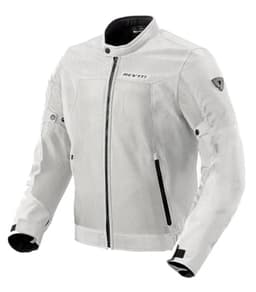
Jacket — mesh with CE armor
REV'IT! Eclipse 2 Mesh
The mesh jacket to beat for hot-weather value: huge airflow from a premium brand, CE armor at the shoulders and elbows included, and a back-protector pocket ready to upgrade. Genuinely breezy without feeling flimsy.
See the mesh jacket rankingPrice as of October 18, 2026. #ad How we’re funded
Gloves — CE gauntlet, hard knuckle
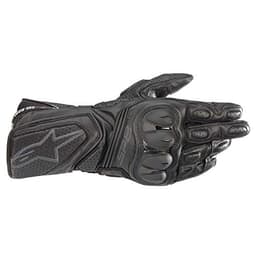
Alpinestars SP-8 V3
The best all-around leather gauntlet here: a full-gauntlet cuff, a hard knuckle, and CE certification, with enough airflow to run three seasons. The default do-everything sport-touring glove.
See the glove rankingPrice as of October 18, 2026. #ad How we’re funded
Boots — waterproof, ankle protection
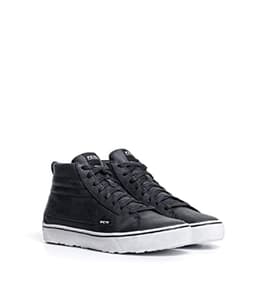
TCX Street 3 Waterproof
A waterproof riding shoe that looks like a sneaker — ankle armor and a reinforced structure hidden under casual styling. The commuter pick for riders who walk into an office at the other end.
See the waterproof boot rankingPrice as of October 18, 2026. #ad How we’re funded
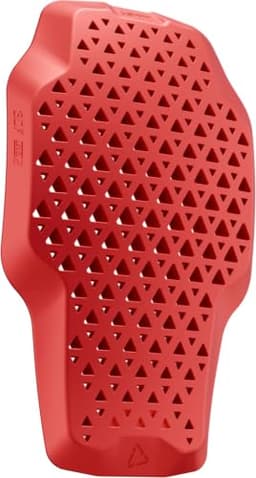
Back protector — CE EN 1621-2 Level 2
Leatt 3DF Level 2 Back Protector Insert
CE EN 1621-2 Level 2A CE Level 2 back insert for around fifty dollars — the single highest-value protection upgrade on this site. Leatt's 3DF impact foam is soft in the hand and stiffens under impact.
See the insert rankingPrice as of October 18, 2026. #ad How we’re funded
Kit three: the premium set
Buy this if you ride a lot, ride far, or ride in weather you did not choose. The protection difference over kit two is smaller than the price difference; the comfort, weight and weather difference is large, and comfort is what decides how many miles you actually do.
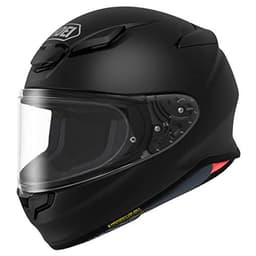
Helmet — DOT + SNELL M2020D
Shoei RF-1400
DOT + SNELL M2020DThe full-face most experienced riders land on: Shoei's hand-laid AIM+ shell, DOT plus a SNELL M2020 rating, and a quiet, refined fit. You're paying for finish and certification, and it shows.
See the helmet rankingPrice as of October 18, 2026. #ad How we’re funded
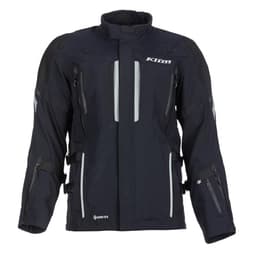
Jacket — GORE-TEX laminate shell
KLIM Latitude
KLIM's touring jacket rather than its off-road one: GORE-TEX weather protection in a cut aimed at seated highway miles instead of standing on the pegs. The choice if your adventure is mostly pavement.
See the waterproof jacket rankingPrice as of October 18, 2026. #ad How we’re funded
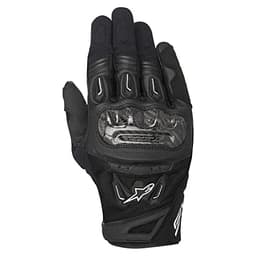
Gloves — CE, vented, carbon knuckle
Alpinestars SMX-2 Air Carbon V2
A short-cuff summer sport glove with a carbon knuckle and lots of airflow. CE-certified protection in a glove light and vented enough to wear when it's genuinely hot.
See the summer glove rankingPrice as of October 18, 2026. #ad How we’re funded
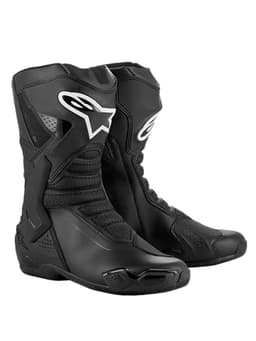
Boots — CE, ankle and shin protection
Alpinestars SMX-6 V3
The do-everything sport-touring boot: ankle and shin protection, a locking heel/toe structure and enough comfort to walk in. The default upgrade from sneakers for street riders.
See the boot rankingPrice as of October 18, 2026. #ad How we’re funded
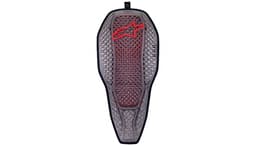
Back protector — CE EN 1621-2 Level 2
Alpinestars Nucleon Flex Pro Back Protector
CE EN 1621-2 Level 2A flexible back protector insert certified to CE EN 1621-2 Level 2 — the higher of the two impact levels — that slips into the back pocket most riding jackets already have. The upgrade almost every jacket needs.
See the back protector rankingPrice as of October 18, 2026. #ad How we’re funded
The buying order, if you cannot do it all at once
Most people cannot, and the sequence matters more than the total.
- Helmet. Legally required in most states, and the item with the clearest crash data behind it. Do not compromise on fit to save money — a cheap helmet that fits beats an expensive one that does not.
- Gloves. Cheap, and they cover the body part that reflexively hits the ground first.
- Jacket with armor. The biggest area, and where the shoulder and elbow protection lives.
- Back protector. A small amount of money into the jacket you just bought, covering the area with the least natural protection.
- Boots. Sturdy over-the-ankle footwear is a stopgap; real boots are the upgrade.
- Leg protection. Armored jeans or knee guards, once the rest is covered.
Three ways to make the number smaller honestly
- Buy used where it is safe. Jackets, boots and luggage are good second-hand buys with a proper inspection; helmets and airbags are not. Our used gear guide sorts the categories.
- Buy for the season you are in. A mesh jacket in spring and a warm layer in autumn costs less than one do-everything jacket, and each one gets worn.
- Upgrade the armor, not the garment. New CE inserts in a cheap jacket move you further up the protection scale than a more expensive shell with the same armor in it.
What we would not do is skip a category. Four pieces of certified budget gear protect you considerably better than three pieces of premium gear and a bare set of hands.
Frequently asked questions
How much does a full set of motorcycle gear cost?
An entry-level head-to-toe kit — DOT-certified helmet, armored jacket, gloves and boots — starts in the region of a few hundred dollars if you buy the value picks we rank. A mid-range kit with a better-certified helmet, a jacket that handles more than one season and CE-rated gloves is roughly double that. A premium kit is several times either. We do not print fixed totals on this page because we do not store prices: every product below shows a live, date-stamped price, and adding those up gives you today's real number rather than one written months ago.
What should I buy first if I can't afford everything?
Helmet, then gloves, then jacket, then boots. The helmet is the item with federal crash data behind it and a legal requirement in most states. Gloves come second because hands go out first and reflexively, and because a good pair costs very little. The jacket is the largest area of skin and the place armor lives. Boots last because ordinary sturdy footwear is a less bad stopgap than bare hands or a t-shirt, though it is still a stopgap.
Is expensive motorcycle gear actually safer?
Not proportionally, and this is worth being clear about. The step from no gear to certified entry-level gear is enormous. The step from entry-level to premium is real but far smaller, and much of what you are paying for is comfort, weight, weather performance and durability rather than protection. A DOT-certified budget helmet that fits beats a premium helmet that does not, and a jacket you wear beats a better jacket that is too hot to put on.
How much should I spend on a motorcycle helmet?
Enough for a DOT-certified helmet from a real manufacturer that fits your head properly — which starts well under $150. Above that you are buying lighter shell materials, quieter aerodynamics, better ventilation, a drop-down sun visor and, sometimes, additional certification such as ECE 22.06 or SNELL M2020. Those are worth having. None of them is worth as much as correct fit, which costs nothing.
Can you save money buying used motorcycle gear?
For jackets, boots and luggage, yes — and a second-hand premium jacket with new armor inserts is often a better buy than a new budget one. For helmets, no: a helmet's protective liner works once and you cannot see whether it already has. Our used gear guide covers which categories are safe, which need a careful inspection, and which we would not touch at any price.
Why don't you list total prices on this page?
Because we do not store prices anywhere on this site. Prices change constantly, and a number typed into an article is wrong within weeks while still looking authoritative. Every product on this page pulls a live, date-stamped price from a retailer feed that expires after 48 hours — where no verified price is available it says 'Check price' rather than showing a stale figure. Add the picks in your tier and you have today's real total.
Sources
- NHTSA — How to Choose the Right Motorcycle Helmet — NHTSA consumer guidance on DOT certification and spotting novelty helmets (accessed July 21, 2026)
- 49 CFR 571.218 — FMVSS No. 218, Motorcycle helmets — The US federal helmet standard: peak-acceleration, penetration and retention requirements; applies to all on-road motorcycle helmets (accessed July 21, 2026)
- MotoCAP — Independent Motorcycle Clothing & Helmet Assessment — Independent Australian lab rating protective clothing and helmets for protection and comfort (accessed July 21, 2026)
- NHTSA — Motorcycle Helmet Effectiveness Revisited (DOT HS 809 715) — Helmets ~37% effective at preventing rider fatalities (accessed July 21, 2026)
Keep reading
Beginner motorcycle gear: a head-to-toe guide
Exactly what to buy first — helmet, jacket, gloves, boots and armor — with one pick per category.
Read the beginner guideBuying used motorcycle gear
Which pieces are a genuine bargain second-hand, and the one you should never buy used at any price.
Read the used gear guideSafest budget motorcycle helmets
DOT-certified helmets from real makers, all under about $150 — the floor of the helmet decision.
See the budget picksBest budget motorcycle jackets
Real armor and real abrasion panels under about $200, with an honest account of what each gives up.
See the budget picks