Beginner Motorcycle Gear: A Head-to-Toe Guide
Exactly what to buy first as a new rider — helmet, jacket, gloves, boots and armor — by budget, with one certified pick per category and why it's the one to start with.
How this is funded: we earn a commission if you buy through our links, at no extra cost to you. It never changes which gear we recommend, and we’ll tell you plainly when to skip a pick. Full disclosure.
You just started riding, and everyone has an opinion about gear. Here’s ours, stripped to the essentials: ATGATT — All The Gear, All The Time. The gear that protects you only works if you’re wearing it, and the most common regret we hear from riders after a fall is about the piece they left off “just this once.” This guide covers the five things that stand between you and the road, in priority order, with one certified starter pick per category and a note on where to spend more when you’re ready.
Buy in this order if your budget is tight: helmet first, then gloves, then jacket, then boots, then a back protector. A helmet is non-negotiable and the safety data is clearest about it; gloves are cheap and your hands hit the ground first; a jacket and boots cover the most likely contact points after that; and a back protector is the single best upgrade once the basics are covered. You do not need to spend a fortune — every pick below is real, certified where it counts, and a genuine value.
1. Helmet — buy this first
Your helmet is the one piece with a federal law behind it and the clearest safety evidence: NHTSA puts helmets at roughly 37% effective at preventing rider deaths and about 67% against brain injury. Get one that’s DOT-certified (the US legal minimum), that fits your head properly, and that you find comfortable enough to wear every ride. A full-face gives the most coverage; a beginner doesn’t need the most expensive lid, just a certified one that fits.
Starter pick
HJC i10
DOT + SNELL M2020The rare budget full-face that carries a SNELL M2020 rating on top of DOT — the voluntary top-tier test most sub-$150 helmets skip. The strongest safety-per-dollar case for a first helmet.
Compare beginner helmets →When to spend more: a lighter composite shell and extra certifications (ECE 22.06, SNELL) buy you comfort and less neck fatigue on long days — see our best helmets for the step-up picks.
2. Gloves — cheap, and your hands hit first
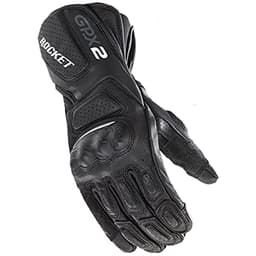
In almost every fall you put your hands down — it’s reflex — and bare palms and knuckles lose badly to asphalt. A real riding glove has abrasion-resistant material and a hard or reinforced knuckle. They’re among the cheapest gear you can buy, which makes skipping them the worst value in motorcycling. Get a leather or reinforced glove with a knuckle protector that fits snugly and won’t fly off if you tumble.
Starter pick
Joe Rocket GPX 2.0 Leather
A goatskin-leather glove with a hard knuckle at a genuinely low price — real abrasion resistance for riders who don't want to spend gauntlet money. The value leather short-cuff.
Compare the best gloves →Price as of October 18, 2026. #ad How we’re funded
3. Jacket — abrasion plus armor
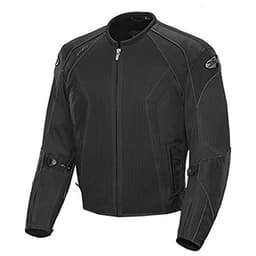
A riding jacket does two jobs: it holds CE armor over your shoulders and elbows, and it puts abrasion-resistant material between your skin and the road. In summer, a mesh jacket flows air so you’ll actually keep it on in traffic — the best jacket is the one you don’t take off when it’s hot. Check what armor is included; many jackets ship with soft foam you’ll want to upgrade to CE armor, and the back protector is often separate.
Starter pick
Joe Rocket Phoenix 6.0 Mesh
The long-running value mesh jacket: full FreeAir mesh, CE-ready armor pockets and a huge size range, for around a hundred dollars. The default first summer jacket for a lot of riders.
Compare the best jackets →Price as of October 18, 2026. #ad How we’re funded
4. Boots — protect the ankle
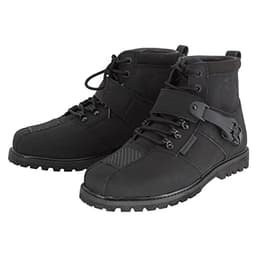
Ankles don’t heal fast, and sneakers offer nothing against a foot caught between a heavy bike and the road. A motorcycle boot protects the ankle from twisting and crushing, resists abrasion, and stiffens the sole so the footpeg can’t fold your foot. You don’t need tall race boots to start — even an affordable boot with real ankle protection beats the best sneaker.
Starter pick
Joe Rocket Outbreak Boots
The cheapest way to a real leather riding boot with ankle protection and an oil-resistant sole. Casual styling that walks fine and covers the basics for a commuter.
Compare the beginner boots →Price as of October 18, 2026. #ad How we’re funded
5. Back protector — the best next upgrade
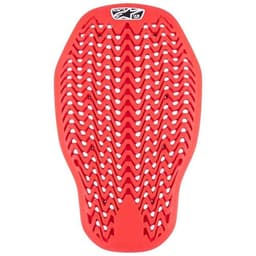
Once the basics are covered, a CE back protector is the highest-value safety spend left. Most jackets have an empty pocket where one drops in, and a CE EN 1621-2 Level 2 insert costs less than a couple of tanks of fuel while protecting the part of you that doesn’t recover on its own.
Starter pick
Alpinestars Nucleon Plasma Back Protector
CE EN 1621-2 Level 2The value way to a CE Level 2 back protector: the same top impact rating as pricier inserts, in a design made to drop into an Alpinestars jacket's pocket. Cheap insurance for your spine.
Compare back protectors →Price as of October 18, 2026. #ad How we’re funded
Budgeting it: the honest picture
You can get safely kitted out for a lot less than a full premium setup. A sensible starter kit — a certified helmet, a mesh jacket, leather gloves and ankle boots — covers the essentials for new-rider money, and you can add a back protector next. As you ride more, step up where it matters most to you: a lighter, better-certified helmet, a jacket with real CE armor and a rain liner, and sturdier boots. Spend first on the helmet and on whatever you’ll wear most — comfort is what keeps gear on your body.
Two things worth doing once the kit is bought. First, check that it fits in the riding position rather than standing in a bedroom — how gear should fit walks through it, and misplaced armor is the most common way good gear stops protecting anyone. Second, if you carry a pillion, they need their own version of this list rather than your spare helmet: gear for a passenger covers it.
Two variations on this list are worth reading if either applies to you. If the riding you are about to start is a daily commute rather than weekend miles, the priorities shift — everything has to work without a decision and then be stored somewhere at the other end, which is what motorcycle gear for commuting is built around, with our beginner jacket picksas the starting point for the jacket itself. And if you are shopping for women’s gear, motorcycle gear for women separates the garments genuinely built on a women’s pattern — which changes where the armor sits — from the unisex ones offered in a small size.
One last thing gear can’t do: it can’t replace training. The single best safety investment a new rider can make is a proper rider course. Gear reduces injury when things go wrong; training reduces how often they go wrong. Do both.
How to read our safety notes. We have not crash-tested any of this gear — nobody honestly can on a review budget. Every helmet and armor pick names the certification the maker publishes (DOT, ECE 22.06, SNELL, or a CE level), which we read from the listing on a dated visit. Certification is the floor, not a guarantee; fit and condition matter as much as the sticker. What the standards actually mean.
Frequently asked questions
What motorcycle gear does a beginner actually need?
At minimum: a DOT-certified helmet that fits, riding gloves with a knuckle protector, a riding jacket with CE armor (or armor pockets to upgrade), and boots with ankle protection. A CE back protector is the best next addition. Buy the helmet first, then gloves, then jacket and boots.
In what order should I buy motorcycle gear on a budget?
Helmet first — it's non-negotiable and the safety data is clearest about it. Then gloves (cheap, and your hands hit the ground first), then a jacket and boots to cover the next most likely contact points, then a back protector as the best value upgrade once the basics are covered.
Do I need expensive gear as a new rider?
No. You need certified gear that fits, not the most expensive gear. Every starter pick in this guide is a genuine value that's DOT- or CE-certified where it counts. Spend more later on comfort and higher certifications once you know what riding you do.
What does ATGATT mean?
All The Gear, All The Time. It's the principle that you wear your full kit — helmet, jacket, gloves, boots, armor — on every ride, not just long ones, because most crashes happen close to home on short trips. Gear only protects you if you're wearing it.
Sources
- NHTSA — How to Choose the Right Motorcycle Helmet — NHTSA consumer guidance on DOT certification and spotting novelty helmets (accessed July 21, 2026)
- NHTSA — Motorcycle Helmet Effectiveness Revisited (DOT HS 809 715) — Helmets ~37% effective at preventing rider fatalities (accessed July 21, 2026)
- 49 CFR 571.218 — FMVSS No. 218, Motorcycle helmets — The US federal helmet standard: peak-acceleration, penetration and retention requirements; applies to all on-road motorcycle helmets (accessed July 21, 2026)
- MotoCAP — Independent Motorcycle Clothing & Helmet Assessment — Independent Australian lab rating protective clothing and helmets for protection and comfort (accessed July 21, 2026)
Keep reading
DOT vs ECE vs SNELL explained
The helmet certifications every new rider should understand before buying.
Read the safety-ratings guideHelmet sizing guide
How to measure your head and check the fit so your helmet actually protects you.
Read the sizing guideBest beginner helmets
Certified, well-equipped first helmets compared across budgets.
See beginner helmetsBest back protectors
The best next upgrade — CE Level 2 inserts that drop into your jacket.
See back protectorsSafest budget motorcycle helmets
DOT-certified helmets from real helmet makers, all around $150 or less.
See the budget picksHow to choose a motorcycle jacket
Material, armor, fit and weather — in the order that actually matters.
Read the jacket guideHow to choose motorcycle gloves
Cuff length, palm construction, knuckle armor and sizing.
Read the glove guideBest gifts for new riders
Buying for someone who just passed their test? The gaps in a starter kit a gift can close without guessing a size.
See the new-rider gifts