How Long Does Motorcycle Gear Last?
Everyone knows the five-year helmet rule. Almost nobody knows that their gloves are the first thing to stop protecting them, or that a waterproof jacket usually fails long before the membrane does.
How this is funded: we earn a commission if you buy through our links, at no extra cost to you. It never changes which gear we recommend, and we’ll tell you plainly when to skip a pick. Full disclosure.
Riding gear does not fail like a lightbulb. It degrades, quietly, in ways that leave it looking serviceable long after it has stopped doing the job it was bought for — and every piece of it degrades on a different clock, driven by a different mechanism. Helmets age with time. Gloves age with use. Armor manages both at once. Waterproof shells fail in a way that looks like the membrane going and usually is not.
This guide goes piece by piece through what actually wears out, what you can see and what you cannot, and — the part most lists skip — what to replace first when you cannot replace everything.
The helmet: roughly five years, and it starts before you bought it
The helmet is the one piece with a genuine time-based clock, and the widely published guidance is about five years from the date of manufacture— not from the date of purchase, which on a helmet that sat in a warehouse can be a year or more later. The federal standard requires that date to be permanently marked on the helmet precisely so you can find it, alongside the manufacturer’s name, the size and the care instructions.
The mechanism is the impact liner. A helmet protects by crushing, and the expanded polystyrene that does the crushing, along with the adhesives, the comfort foam and the shell resins, ages with heat, sweat, UV and time whether the helmet is ridden or hung on a shelf. That is also why any significant impact ends a helmet immediately, regardless of how the outside looks — the liner has already done its one job. We have a whole page on this: when to replace a motorcycle helmet covers the three triggers and how to read the date stamp, so this page will not repeat it.
Gloves: the shortest life in your kit, and the one nobody tracks
Gloves have no published time clock at all, and they are almost always the first thing in a riding wardrobe to stop being protective equipment. They take contact in a way nothing else does — the bars, the levers, the tank, sweat, sun, rain and, in a fall, the ground first.
Three checks, and they take about ten seconds:
- The palm and the heel of the hand. Thinning, shine, or any break in the leather. The heel is where a glove hits the road.
- The seams. A seam that has opened, anywhere, is a failure point under load. This is the one riders miss because the glove still goes on fine.
- The closure. A wrist strap that no longer holds means a glove that comes off in a slide, and a glove that comes off is worth nothing at all.
Because they are also the cheapest protective item to replace, gloves are the highest-value thing on this page. If you are going to act on one paragraph, make it this one.
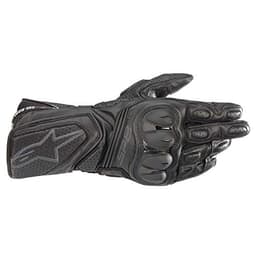
Our default replacement glove
Alpinestars SP-8 V3
The best all-around leather gauntlet here: a full-gauntlet cuff, a hard knuckle, and CE certification, with enough airflow to run three seasons. The default do-everything sport-touring glove.
See the full glove rankingPrice as of September 22, 2026. #ad How we’re funded
Armor: no expiry date, two ways to die
CE-rated impact protectors do not carry an expiry date, which leads people to assume they last indefinitely. They do not, and they fail two ways.
The first is an impact.A protector works by deforming to absorb energy, and once it has deformed under a real hit it is no longer the protector that was certified. Every maker’s instruction is the same: replace it. That includes the armor in a jacket that looks undamaged — pull it out and look at it separately, because fabric and armor do not fail at the same threshold.
The second is time and heat. Foam-type protectors live against your body, absorb sweat and spend summers in a hot garage, and they can compress and stiffen. Flex a protector in your hands: if it has gone hard, or holds a permanent dent, or has split at a fold line, it is not performing the way it was tested to. Our CE armor guide covers what the EN 1621 levels actually measure, which is worth reading before you decide whether a hardened protector still counts.
The good news is that this is the cheapest fix in motorcycling — a certified back insert costs less than a tank of fuel.
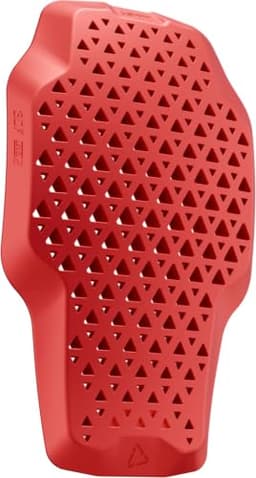
Cheapest certified Level 2 replacement
Leatt 3DF Level 2 Back Protector Insert
CE EN 1621-2 Level 2A CE Level 2 back insert for around fifty dollars — the single highest-value protection upgrade on this site. Leatt's 3DF impact foam is soft in the hand and stiffens under impact.
See the back protector rankingPrice as of September 22, 2026. #ad How we’re funded
Jackets: the DWR goes long before the membrane does
Here is the most common misdiagnosis in riding kit. A waterproof jacket that has started to feel cold, clammy and “damp inside” usually has a perfectly good membrane and a dead water-repellent finish on the outer fabric. When that finish stops working, the face fabric soaks up water instead of beading it. The jacket gets heavy, it breathes far worse because moisture cannot escape through a saturated outer, and you end up wet from your own sweat while the membrane is still doing its job.
Washing to the maker’s instructions and reproofing restores it, and it is the single highest-value piece of maintenance you can do to an expensive shell. Our waterproof jacket page explains the laminate-versus-liner constructions and why laminates wet out less in the first place.
What genuinely does end a jacket is abrasion-zone damage: thinning or glazing at the shoulders, elbows and hips, opened seams in those areas, or a hole through to the liner. Those are structural, they are not repairable in any way that restores the original rating, and they mean the garment is done.
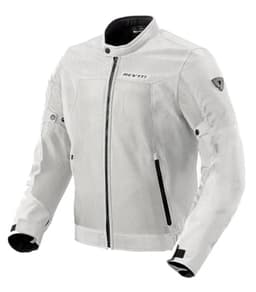
When the mesh jacket is finished
REV'IT! Eclipse 2 Mesh
The mesh jacket to beat for hot-weather value: huge airflow from a premium brand, CE armor at the shoulders and elbows included, and a back-protector pocket ready to upgrade. Genuinely breezy without feeling flimsy.
See the mesh jacket rankingPrice as of September 22, 2026. #ad How we’re funded
Boots: the ankle structure, not the sole
Soles wear visibly and can often be replaced. What actually ages out of a riding boot is the part you cannot see: the ankle support structure, the closures and the stitching that holds the protective elements in place. A boot whose ankle brace has gone soft, whose buckles no longer hold, or whose upper is separating from the sole at the flex point has stopped being a riding boot regardless of how much tread is left. The shift pad wearing through is the best early indicator that a boot has done real mileage.
The pieces with a clock you have to look up
- Airbag vests.Tethered systems run on CO2 cartridges that are consumed on deployment and have their own service intervals; electronic systems need charging and, on some models, periodic servicing. Check the maker’s schedule for the exact model — this is one place where “it looks fine” is not a maintenance strategy. Our airbag page covers the two mechanisms.
- Intercoms. The failure is the battery, not the electronics, and it degrades over charge cycles rather than years of ownership. A unit that used to do a full touring day and now does three hours has a battery at the end of its life.
- Pinlock inserts and visors. Both are consumables. A scratched visor scatters light at night far worse than it looks like it should in daylight, and an anti-fog insert whose seal has gone stops working. Our visor guide covers when to swap.
Replace in this order
- Gloves that have failed any of the three checks. Cheapest item, first contact, most-ignored wear.
- A helmet past its date guidance, or that has taken a hit. The one piece where the clock runs without you.
- Armor that has taken an impact or gone hard. Tens of dollars to fix, and invisible until you check.
- A jacket with compromised abrasion zones.Not a jacket that has merely stopped beading water — wash and reproof that one first.
- Boots whose ankle structure or closures have gone.
And one reframe worth carrying away: gear has a cost per year, not a price. A helmet used for five years and a pair of gloves replaced every two are the same kind of purchase, and our cost guide prices a whole kit live if you want to work out what a replacement cycle actually costs you. If you are buying second-hand to stretch it further, our used-gear guide is blunt about which pieces you can and cannot do that with.
How to read our safety notes. We have not crash-tested any of this gear — nobody honestly can on a review budget. Every helmet and armor pick names the certification the maker publishes (DOT, ECE 22.06, SNELL, or a CE level), which we read from the listing on a dated visit. Certification is the floor, not a guarantee; fit and condition matter as much as the sticker. What the standards actually mean.
Frequently asked questions
How long does motorcycle gear last in general?
There is no single answer because the pieces age by different mechanisms. A helmet has a well-known time-based guidance of roughly five years from manufacture because its liner and adhesives degrade whether you ride or not. Gloves have no time clock at all and are usually the first thing to become unfit for purpose, because they take the most contact and wear through at the palm and the seams. Jackets and boots typically outlast both, but their waterproofing and their armor age on their own separate schedules. The practical rule: helmets age with time, everything else ages with use — except armor, which does both.
How often should you replace motorcycle gloves?
When the protection stops working, not on a calendar. Check three things: the palm and the heel of the hand for thinning or worn-through leather, the seams for splits — a seam that has opened is the point where a glove comes apart in a slide — and the closure, because a glove that no longer stays on your hand under load is providing nothing. Gloves are the highest-turnover item in most riders' kit, they are the cheapest piece of protective equipment to replace, and they take the first contact in almost every fall.
Does CE armor expire?
It does not carry an expiry date, but it does not last forever either. Impact protectors work by deforming to absorb energy, and every maker's instruction is to replace a protector after it has taken a significant impact — it has already done its job once. Absent an impact, what ages armor is heat, sweat and time: foam-type protectors can compress and stiffen, and a protector that has gone hard is not the protector that was certified. Inspect for permanent dents, splits and loss of flex, and check the manufacturer's own care instructions, which the federal standard requires to be supplied with a helmet and which good armor makers supply too.
How long does a waterproof motorcycle jacket stay waterproof?
Usually longer than the rider thinks, because the thing that fails first is normally not the membrane. It is the durable water repellent treatment on the outer fabric, which stops the face fabric from soaking up water. When that goes, the shell wets out, feels cold and clammy and breathes far worse, and riders conclude the jacket has 'gone through' when the membrane underneath is still holding. Washing to the maker's instructions and reproofing restores it. The membrane itself more often fails at seam tape or at a point of heavy flex, not across a panel.
Can you keep using a jacket after a crash?
Inspect it properly and assume nothing from appearances. Look at the abrasion zones — shoulders, elbows, hips — for thinning, glazing or holes, check every seam in those areas, and pull the armor out and inspect it separately, because the armor has almost certainly taken an impact even if the fabric looks fine. Replace any protector that took a hit. A textile jacket that slid is often repairable or usable; a jacket with a hole through to the liner at the shoulder is finished. If the crash was hard enough for you to be unsure, the jacket is the cheapest part of that day to replace.
Do motorcycle boots wear out?
Yes, and the part that matters is not the one you look at. The sole wears visibly and can often be resoled, but what actually ages out of a riding boot is the ankle support structure, the closure system and the stitching that holds the protective elements in place. A boot whose ankle brace has loosened, whose buckles no longer hold, or whose upper has separated from the sole at the flex point is no longer doing the job it was bought for, however much tread is left. The shift pad wearing through is a good early indicator of general mileage.
What should I replace first if I can only replace one thing?
Whatever has actually stopped protecting you — and in most riders' kit, that is the gloves. After that, the ranking goes by what fails worst: a helmet past its date guidance or with a compressed liner, then any armor that has taken an impact, then a jacket with compromised abrasion zones. What we would not do is replace a perfectly good jacket for a newer one while riding in gloves with a split seam. The cheapest items in a riding wardrobe are usually the ones doing the most work.
Sources
- Snell Memorial Foundation — FAQ — How Snell certification works and how it differs from DOT (accessed July 21, 2026)
- 49 CFR 571.218 S5.5 and S5.6 — projections and labeling — The federal standard's own wording. S5.5 Projections: "A helmet shall not have any rigid projections inside its shell. Rigid projections outside any helmet's shell shall be limited to those required for operation of essential accessories, and shall not protrude more than 0.20 inch (5 mm)." S5.6 Labeling requires each helmet to be permanently and legibly labeled with the manufacturer's name, the discrete size, the month and year of manufacture, and care instructions covering materials, cleaning agents and modification warnings; and requires a certification label carrying "DOT" at least 0.38 inch high, "FMVSS No. 218" at least 0.09 inch, and "CERTIFIED" at least 0.09 inch, positioned 1 to 3 inches from the bottom rear edge of the helmet. S5.1 caps peak acceleration at 400 g, with time above 200 g limited to 2.0 ms and above 150 g to 4.0 ms; S5.2 requires the penetration striker not to contact the headform; S5.3 requires the retention system to hold specified loads without separating (accessed September 18, 2026)
- 49 CFR 571.218 — FMVSS No. 218, Motorcycle helmets — The US federal helmet standard: peak-acceleration, penetration and retention requirements; applies to all on-road motorcycle helmets (accessed July 21, 2026)
- NHTSA — How to Choose the Right Motorcycle Helmet — NHTSA consumer guidance on DOT certification and spotting novelty helmets (accessed July 21, 2026)
- MotoCAP — Independent Motorcycle Clothing & Helmet Assessment — Independent Australian lab rating protective clothing and helmets for protection and comfort (accessed July 21, 2026)
Keep reading
When to replace a motorcycle helmet
The helmet clock in full: the three replacement triggers, why the EPS liner is the reason, and how to read a date-of-manufacture stamp.
Read the helmet guideBuying used motorcycle gear
The same question from the other side — which pieces are fine second-hand, and the one you should never buy used at any price.
Read the used-gear guideHow to clean a motorcycle helmet
Most of what shortens a helmet's life is sweat and the wrong cleaning agent. Here is how to do it without damaging the liner.
Read the cleaning guideBest motorcycle armor inserts
What to fit when the armor in your jacket has taken a hit, gone hard, or was never certified in the first place.
Compare insertsHow much does motorcycle gear cost?
Head-to-toe totals at three budgets, priced live — useful for working out what a replacement cycle actually costs per year.
See the costsMotorcycle touring gear checklist
Before a long trip is exactly when to run the inspections on this page. Here is the rest of the pre-tour list.
Read the checklist